Libtayo survival data, a rare positive osteosarcoma trial and new ADCs for breast, lung and stomach cancers are among ESMO 2026 abstracts to watch.
Hernexeos led to high response rates and disease control in HER2-mutant NSCLC, including patients with brain metastases, with manageable safety.
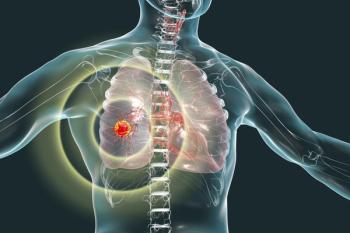
Researchers reported at the 2026 European Lung Cancer Congress that Hernexeos (zongertinib) led to high response rates and disease control in patients with advanced HER2-mutant non–small cell lung cancer (NSCLC), including those with active brain metastases, addressing an unmet need for targeted first-line treatment options in this population.
“[Hernexeos] demonstrated clinically meaningful benefit in patients with advanced HER2-mutant NSCLC, including in patients with active brain metastases, with a manageable safety profile and notably few grade 3 (severe) or higher treatment-emergent [side effects],” Dr. John V. Heymach, said in a presentation of the data. Heymach is the chair of Thoracic/Head and Neck Medical Oncology at The University of Texas MD Anderson Cancer Center in Houston.
In treatment-naive patients enrolled in cohort 2 of the Beamion LUNG-1 study, which included 74 patients, Hernexeos produced a confirmed objective response rate (ORR) of 76% based on blinded independent central review. This included a complete response rate of 11% and a partial response rate of 65%. The disease control rate was 96%, with 20% of patients experiencing stable disease and 1 patient having disease progression.
Patients responded quickly to treatment, with a median time to response of 1.4 months. The median duration of response (DOR) was 15.2 months, and the median progression-free survival (PFS) was 14.4 months. Clinical benefit was observed across all patients in this group regardless of HER2 mutation type.
In cohort 4, which included 30 patients with active brain metastases, Hernexeos also demonstrated intracranial activity. The confirmed intracranial ORR was 47%, including complete and partial response rates of 7% and 40%, respectively. The disease control rate was 87%, with 40% of patients experiencing stable disease. The median DOR was 6.9 months and the median PFS was 8.2 months.
Among a subgroup of 17 patients in cohort 4 who had measurable brain metastases and had not received prior brain radiotherapy, the intracranial ORR was higher at 59%, including a complete response rate of 6% and a partial response rate of 53%. The disease control rate in this subgroup was 94%, with 35% of patients achieving stable disease. The median DOR was 6.2 months, while the median PFS was not estimable.
Beamion LUNG-1 is a single-arm, open-label, multicenter, multicohort trial evaluating Hernexeos in patients with unresectable or metastatic NSCLC with HER2 mutations. The study includes multiple cohorts based on prior treatment status, mutation subtype and presence of brain metastases.
During the study, patients received Hernexeos at a dose of 120 mg once daily. Treatment continued until disease progression or unacceptable side effects. The dose was selected during the phase 1b portion of the trial after an interim analysis.
The treatment has also received accelerated approval from the FDA for adult patients with unresectable or metastatic nonsquamous NSCLC with HER2 tyrosine kinase domain activating mutations based on findings from this study. Earlier approval had been granted for patients who previously received systemic treatment, and the expanded indication allows use in the first-line setting.
In cohort 2, treatment-related side effects occurred in 91% of patients, with 19% experiencing side effects that were grade 3 (severe) or higher.
The most common side effects included diarrhea (55%; grade 3, 3%), rash (24%; 0%), increased alanine aminotransferase levels (18%; 4%), dysgeusia (18%; 0%), nausea (18%; 0%), increased aspartate aminotransferase levels (16%; 3%), paronychia (14%; 1%), dry skin (14%; 0%), pruritus (14%; 0%), fatigue (12%; 0%), anemia (11%; 3%) and stomatitis (11%; 0%).
Side effects led to dose reductions in 16% of patients and treatment discontinuation in 9% of patients.
For more news on cancer updates, research and education,