
Opinion|Videos|June 26, 2026
Living Well and Community Building Among Patients with ALK-Positive NSCLC
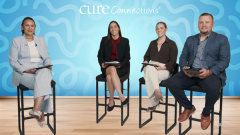
The segment explores concepts of living well with cancer, advocacy, and community building for young patients facing long-term therapy. Dr. Florez notes that current reality for many young patients with ALK-positive disease involves years rather than months of survival, fundamentally changing perspectives on living with versus dying from cancer.
Advertisement
Episodes in this series
The segment explores concepts of living well with cancer, advocacy, and community building for young patients facing long-term therapy. Dr. Florez notes that current reality for many young patients with ALK-positive disease involves years rather than months of survival, fundamentally changing perspectives on living with versus dying from cancer.
Megan founded a nonprofit organization based on recognition that lung cancer treatment has evolved from binary outcomes (cure or death) to chronic disease management with extended survival possibilities. Her definition of living well involves maintaining daily routines, focusing on positive aspects, and refusing to abandon pre-diagnosis identity despite medication requirements and occasional treatment-related limitations.
Matt's perspective on living well centers on supporting Megan's positive mindset and ensuring family stability. He emphasizes their partnership approach to challenges, noting Megan's inherently optimistic nature that persisted through diagnosis and treatment. His focus involves facilitating her gymnasium routines and family time while maintaining awareness of additional treatment options should progression occur.
Stephanie McDonald addresses the challenge of diminishing support systems over time, describing the phenomenon of casseroles stopping as initial crisis response fades and supporters return to normal routines. She recommends community building through various channels, recognizing that some patients prefer high-energy group support while others benefit from one-on-one connections with similarly affected individuals.
Both Megan and Dr. Florez emphasize social media's positive role in community building, specifically mentioning ALK-Positive Facebook groups and Young Lung Instagram communities as sources of support and information. Dr. Florez contrasts Megan's advocacy approach with her mother's more private journey, noting that both paths represent valid choices for managing cancer disclosure and community engagement based on individual preferences and comfort levels.
Advertisement
Related Content
Advertisement
Advertisement
Advertisement
Trending on CURE
1
FDA Approves Trodelvy Alone or With Keytruda for First-Line Triple-Negative Breast Cancer
2
FDA Approves Ibrance Combo for Maintenance Treatment of HR-Positive, HER2-Positive Metastatic Breast Cancer
3
The Heart of an Oncology Office
4
The Life I Did Not Expect After Cancer
5