

Opinion|Videos|January 22, 2025
Monitoring and Tracking Symptoms of Polycythemia Vera
Author(s)Julie Huynh-Lu, P.A.
A panelist discusses how patients should communicate comprehensively with their care team about symptom patterns, documentation methods, and warning signs of polycythemia vera progression, including key questions to ask themselves about symptom changes and recommended tracking tools.
Advertisement
Episodes in this series
Video content above is prompted by the following:
- What should patients tell their physicians about their symptoms?
- What questions do you ask patients when they report their symptoms to you?
- How should patients document their symptoms? Is there a symptom tool you recommend?
- When and why should patients notify their care team about symptom changes? What are some questions that patient should ask themselves about their change in symptoms?
- How can patients recognize and track the early warning signs that their polycythemia vera might be progressing or becoming more active?
Advertisement
Related to this article

Jessica Tovar, owner of Ink Esthetics, explained how paramedical tattooing can help restore the appearance of the areola and support patients after breast cancer surgery.
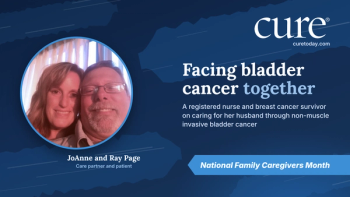
A registered nurse and breast cancer survivor, JoAnne Page became her husband Ray's care partner when his cancer stopped responding to treatment.

Told her metastatic breast cancer was terminal, a woman still alive four years later shares life as an In-Betweener and why society still hasn't caught up.
The FDA granted accelerated approval to Nelkarmi for adults with advanced ALK-positive non-small cell lung cancer that grew after prior ALK-targeted drugs.

From colon and rectal cancer to bladder and head and neck cancers, here are five FDA approvals from fall 2026 and what they mean for patients.
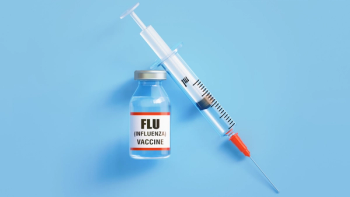
Answers to common questions about flu, COVID-19, RSV and other vaccines for people in cancer treatment, including which shots to avoid, the best timing around chemotherapy and what family members should do.

An expert from Case Western Reserve University explains how cancer cells survive treatment, why rare diseases are hard to study and why CAR-T therapy offers hope.
The FDA approved Wilserdly with everolimus for some ER-positive, HER2-negative, ESR1-mutated advanced breast cancers that grew after prior hormone therapy.
Advertisement
Advertisement
Trending on CURE
1
FDA Approves Nelkarmi for Previously Treated ALK+ Lung Cancer
2
FDA Approves Wilserdly Combo for ESR1-Mutated Breast Cancer
3
The In-Betweeners: Living Longer With Metastatic Breast Cancer
4
5 FDA Approvals From This Fall That People With Cancer Should Know
5