News|Articles|May 20, 2026

What Patients Should Look Forward to at ASCO 2026

Fact checked by: CURE staff

Key Takeaways

  • Frontline EGFR exon 20, adjuvant RET, and long-term ALK data are expected to sharpen biomarker-driven selection and potentially reset standards in defined molecular NSCLC subsets.
  • PD-1/VEGF bispecific ivonescimab readouts (HARMONi-6 and HARMONi-3) could reframe chemo-immunotherapy backbones, particularly in squamous NSCLC and broader populations.
SHOW MORE

ASCO 2026 will highlight biomarker-driven lung cancer care, targeted therapies, ADCs and phase 3 trials shaping precision oncology advances.

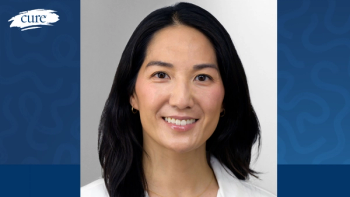
Dr. Josh K. Sabari, a thoracic medical oncologist at NYU Langone’s Perlmutter Cancer Center and editor-in-chief of CURE, discussed the most anticipated lung cancer data expected at the 2026 ASCO Annual Meeting in an interview with CURE, highlighting biomarker-driven care, targeted therapies and expanding treatment modalities across solid tumors.


Biomarker Selection Will Define Lung Cancer Advances at the 2026 ASCO Annual Meeting

One of the central themes expected at ASCO 2026 is the growing role of biomarker selection in guiding treatment decisions in lung cancer.

“I think, for me, biomarker selection is going to be critically important,” Sabari said.

Several key studies are expected to shape this shift, including the WU-KONG 28 trial evaluating Zegfrovy (sunvozertinib) versus chemotherapy in EGFR exon 20 lung cancer in the frontline setting. In RET-rearranged disease, updated data from LIBRETTO-432 will examine adjuvant Retevmo (selpercatinib). In ALK-rearranged lung cancer, long-term follow-up from the CROWN study will compare Lorbrena (lorlatinib) versus crizotinib.

Immunotherapy and bispecific approaches will also play a major role, including HARMONi-6, a late-breaking plenary presentation evaluating ivonescimab, a PD-1/VEGF bispecific antibody, plus chemotherapy versus tislelizumab in squamous non-small cell lung cancer. HARMONi-3 will evaluate ivonescimab plus chemotherapy versus chemotherapy and immunotherapy in a broader non-small cell lung cancer population.

“Biomarkers, biomarkers, biomarkers — not only in lung cancer but in all cancers — have become critical in allowing us to select the best therapy for the patient in front of us in clinic,” Sabari said.

Meaningful Progress in Targeted Therapy, ADCs and Combination Strategies

Beyond lung cancer, Sabari pointed to major progress in targeted therapy, antibody-drug conjugates and combination strategies across solid tumors.

In pancreatic cancer, daraxonrasib, a multiselective pan-RAS inhibitor, is being compared with standard chemotherapy, including gemcitabine, Abraxane and historically FOLFIRINOX. Early press release data showed nearly doubled overall survival.

“We know already from the press release it nearly doubled median overall survival, really establishing it as a new therapeutic standard for patients with pancreatic cancer,” Sabari said.

He also highlighted continued expansion of antibody-drug conjugates across tumor types, including Trodelvy (sacituzumab govitecan), a TROP2-directed agent, noting both efficacy and improved tolerability compared with some deruxtecan-based payloads.

Bispecific antibodies such as ivonescimab are also expected to remain a major focus as studies continue across tumor types.

“Lots of advances, lots of improvements in different modalities. I still think targeted therapies really take the cake,” Sabari said.

Phase 3 Randomized Trials Drive the Most Clinical Impact

The studies most likely to change clinical practice are phase 3 randomized trials comparing new therapies with current standards of care.

“These randomized phase 3 studies are asking the question of does this combination or does this novel therapy improve how long people live,” Sabari said.

Overall survival remains the most important endpoint, particularly when gains are achieved without compromising quality of life.

Key Unanswered Questions in Solid Tumors and Precision Oncology

Sabari noted that major unanswered questions in oncology center on how to sequence immunotherapy, targeted therapy, antibody-drug conjugates and emerging cellular therapies.

“How do we deliver the right therapy to the right patient with the least amount of side effects or toxicity so as not to affect patients’ quality of life?” Sabari said.

He emphasized the expanding role of next-generation sequencing in lung cancer, which continues to serve as a model for precision oncology. Ongoing studies in EGFR exon 20, ALK-rearranged and RET-rearranged disease reflect the field’s shift toward biomarker-selected treatment strategies.

He also highlighted emerging data in HER2 exon 20 insertion mutations with Hernexeos (zongertinib), including improvements not only in response rates but also patient-reported outcomes such as symptom control and quality of life.

“What we'll show at ASCO 2026 is a significant improvement in all of the prospective metrics that we looked at, including time to symptom control and improvement in quality of life,” Sabari said.

What Patients Should Know About Following the 2026 ASCO Annual Meeting

For patients, caregivers and advocates, Sabari said the meeting can feel overwhelming due to the volume of new data presented.

“It’s like drinking out of a fire hose,” Sabari said.

He recommended focusing on disease-specific or biomarker-driven tracks, such as lung cancer or KRAS-altered disease, to help make the information more digestible.

While the meeting generates a large wave of new data, most findings are refined over time before being integrated into clinical practice.

“Take it easy and enjoy all the data that's coming in, and let's utilize this information and this excitement to change outcome for our patients in clinic on Monday morning,” Sabari said.

For more news on cancer updates, research and education, don’t forget to subscribe to CURE®’s newsletters here.