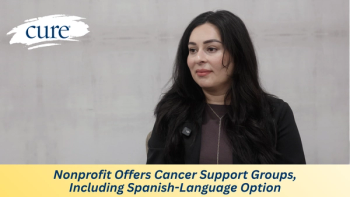
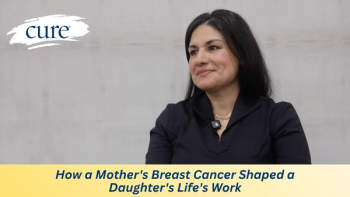
Rina Bello was working at Bay Area Cancer Connections when her mother was diagnosed with breast cancer. Today she leads the organization, which has offered free support to patients and caregivers for 33 years.
The Food and Drug Administration approved Rozlytrek (entrectinib) for adult and adolescent patients 12 years of age and older whose cancers have the NTRK gene fusion and for adults with non-small cell lung cancer whose tumors are ROS1-positive and have spread to other parts of the body.
The Food and Drug Administration (FDA) has approved Rozlytrek (entrectinib) for two indications, according to Genentech — the drug’s manufacturer.
The first for the treatment of adult and adolescent patients 12 years of age and older whose cancers have the NTRK gene fusion. Additionally, the medication can also now be used for adults with non-small cell lung cancer (NSCLC) whose tumors are ROS1-positive and have spread to other parts of the body.
Currently, there are no effective treatments for patients with NTRK gene fusions, according to the FDA press release. However, data from four clinical trials showed that Rozlytrek shrunk tumors, and 61% of patients had tumor shrinkage last at least nine months.
For patients with NSCLC, the drug showed an overall response rate of 78%, and nearly 6% of patients saw their cancer disappear.
Common side effects of Rozlytrek include fatigue, constipation, diarrhea and nausea. The most serious side effects of Rozlytrek are congestive heart failure, cognitive impairment, skeletal fractures, damage to the liver and vision disorders.
Check back later for more information on what this approval means for patients.