The FDA grants traditional approval to Keytruda and Keytruda Qlex for TMB-H solid tumors, updating the threshold to at least 13 mutations per megabase.
The FDA grants traditional approval to Keytruda and Keytruda Qlex for TMB-H solid tumors, updating the threshold to at least 13 mutations per megabase.

A study found that 1 in 9 older cancer survivors developed a second cancer, highlighting why routine screening remains important beyond five years.
The American Society of Hematology published 2026 guidelines for adults with myelofibrosis on Oct. 14, 2026, with 10 recommendations on genetic testing, JAK inhibitors, anemia, transplant referral and aspirin.

Alternating two long-used bladder treatments cleared cancer in 24 of 25 patients whose disease had returned after BCG, an early study found. A larger trial comparing the approach with BCG alone is now enrolling.

Lower income, later diagnosis and gaps in treatment drove most of the excess deaths among rural patients, according to new research.

In a randomized trial of nearly 100,000 women in Germany, 3D mammography found a larger share of breast cancers at the screening visit, but its 24% lower rate of cancers found between screenings was not statistically significant.

Depending on dose, firmonertinib shrank tumors in 43% to 68% of patients as a first treatment for EGFR PACC-mutant lung cancer in the phase 1b FURTHER trial.

Libtayo survival data, a rare positive osteosarcoma trial and new ADCs for breast, lung and stomach cancers are among ESMO 2026 abstracts to watch.
In the phase 3 RT CHARM trial, published Oct. 12, 2026, in the Journal of Clinical Oncology, a three-week course of radiation after mastectomy caused about the same rate of reconstruction complications as the standard five-week course in women with breast cancer.

Anktiva is now approved for BCG-unresponsive papillary-only bladder cancer. Here’s what the bladder-sparing option involves, from timeline to risks.

California Gov. Gavin Newsom signed AB 1682 on Sept. 27, requiring large-group health plans to cover prescribed scalp cooling starting Jan. 1, 2027. Medi-Cal coverage is pending federal approval.

Liver and bile duct cancer treatment has changed quickly since 2021, with new immunotherapy combinations, targeted pills and a new radiation option. Here's what's been approved and what it means for patients.
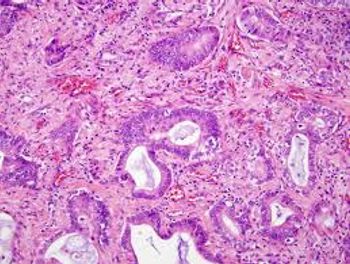
In the phase 3 MAVERICK trial, people with small cell lung cancer who had regular brain MRIs instead of preventive whole-brain radiation kept their memory and thinking intact longer, with no clear survival difference so far.

ASTRO’s first bladder cancer radiation guideline supports trimodal therapy as an alternative to bladder removal for select patients with muscle-invasive disease.
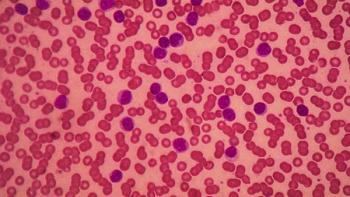
Replacing two cycles of intensive chemotherapy with Blincyto raised four-year event-free survival to 83% from 70.3% in children with high-risk B-cell ALL, with far fewer infections.

In a trial of 2,175 people with early HER2-positive breast cancer, 43.8% had no invasive cancer left after 12 weeks of a lighter regimen, and certain tumor features predicted who was most likely to respond.

A Phase 3 trial of firmonertinib did not meet its main goal in a hard-to-treat lung cancer subtype, though the drug caused fewer serious side effects than chemotherapy.

In a study of more than 250,000 older adults presented at ASTRO 2026, people with depression who started talk therapy within a week of their cancer diagnosis had a 27% lower risk of dying from their cancer. But most people with depression received no mental health treatment at all.

Ameluz photodynamic therapy is the first light-based treatment the FDA has approved for a skin cancer. Here's who it's for, how it works and how it compares with surgery.

A new radiation implant placed during surgery for brain metastases nearly stopped tumors from returning and doubled survival, a new study found.
A phase 3 trial found proton therapy did not help people with advanced liver cancer live longer than standard photon radiation therapy.

More than three years after cancer centers first sounded the alarm on chemotherapy shortages, the problem still hasn't gone away.

The FDA has withdrawn its accelerated approval of Krazati combined with Erbitux for adults with KRAS G12C-mutated colorectal cancer that is locally advanced or has spread to other parts of the body.
FDA approves Tudriqev plus Opdivo for adults with advanced melanoma that progressed after PD-1 immunotherapy, expanding treatment options.

High-risk multiple myeloma is identified through bone marrow testing and can help guide treatment decisions, from combination therapy to clinical trials.

ASCO 2026: Telephone-based weight loss significantly improves physical function and mental health in patients with breast cancer patients who are overweight or obese.

Ivonescimab plus chemotherapy helped patients with advanced squamous NSCLC live longer than tislelizumab plus chemotherapy.

Dr. Emily Podany links food deserts to aggressive breast cancer mutations and shorter survival, stressing the need for social determinant screening.

OPTIMA trial data at ASCO 2026 shows a 50-gene test helps patients with high-risk breast cancer avoid unnecessary and toxic chemotherapy treatments.

Dr. Paolo Tarantino discusses the importance of strategic sequencing and drug-specific prophylaxis to optimize ADC therapy in breast cancer.

February 2nd 2026

February 11th 2020