

The FDA cleared an IND for FG001, allowing a U.S. trial in high-grade glioma, with first patient enrollment expected in second quarter of 2026.
The FDA cleared an IND for FG001, allowing a U.S. trial in high-grade glioma, with first patient enrollment expected in second quarter of 2026.

Genentech announces FDA acceptance of giredestrant plus Afinitor for ER-positive, HER2-negative, ESR1-mutated advanced breast cancer treatment.

PLT012 received FDA fast track status for liver cancer, with an ongoing trial evaluating safety and early activity of the CD36-targeting immunotherapy.

FDA grants breakthrough status to Rybrevant Faspro for recurrent or metastatic HPV-negative head and neck cancer after prior therapy.
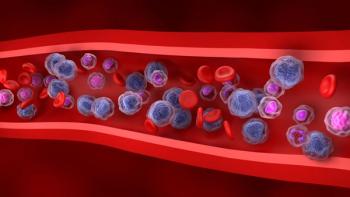
Annamycin plus cytarabine achieved a 40% preliminary remission rate in relapsed AML, including patients who previously received Venclexta-based therapy.
Researchers developed a tool to predict chemotherapy response for patients with triple-negative breast cancer.
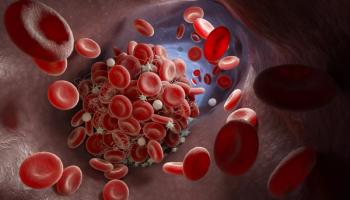
FDA accepted a new drug application for tirabrutinib in relapsed or refractory PCNSL.

The FDA approved a once-monthly Rybrevant Faspro schedule with Lazcluze for first-line EGFR-mutated advanced NSCLC, reducing visits.

FDA approves Filkri, a biosimilar that helps reduce infection risk and speed white blood cell recovery during chemotherapy and other treatments.

Braftovi plus Erbitux and FOLFIRI improved progression-free survival in untreated BRAF V600E metastatic colorectal cancer in the phase 3 BREAKWATER trial.
The FDA is reviewing iberdomide for relapsed or refractory multiple myeloma, with a decision date set for August.
Retevmo improved event-free survival in stage 2 to 3A RET fusion-positive non-small cell lung cancer after curative therapy, per phase 3 data.

A PSMA PET scan found more recurrent prostate cancer at low PSA levels than a standard scan, helping guide more potentially curative treatment decisions.

The U.S. FDA has granted orphan drug designation to HCB101, an investigational immunotherapy, for the treatment of gastric cancer.
Phase 2 study shows proton therapy kept 79.1% of patients progression free at five years and limited severe side effects compared with older radiation data.

A Clayman Thyroid Center report aims to clarify FDA safety warnings, finding no evidence that GLP-1 drugs like Ozempic cause common thyroid cancers.
The FDA has accepted a sNDA for Ameluz topical gel, used in combination with the RhodoLED red-light lamp series, for superficial basal cell carcinoma treatment.

The U.S. Food and Drug Administration has approved a new treatment for adults with locally advanced pancreatic cancer.

New research shows specific chemotherapies and radiation increase the risk of subsequent brain tumors in long-term childhood cancer survivors.

FDA approved a PD-L1 companion test to identify patients with ovarian, fallopian tube or primary peritoneal cancer who may receive Keytruda.

The FDA approved protocol updates to a tasquinimod trial in myelofibrosis, allowing broader enrollment and combination use with JAK inhibitors.

The FDA granted fast track designation to irpagratinib for previously treated advanced hepatocellular carcinoma with FGF19 overexpression.

The U.S. FDA granted “study may proceed” clearance for a trial of teverelix in patients with advanced prostate cancer and high cardiovascular risk.

A phase 2 trial found oxybutynin safely reduced the frequency and severity of hot flashes in men receiving hormone therapy for prostate cancer.

The U.S. FDA has granted Regenerative Medicine Advanced Therapy designation to KB707 for the treatment of advanced/metastatic non-small cell lung cancer.

Patients with advanced melanoma experienced high response rates when treated with commercial Amtagvi in a real-world clinical study.

The FDA has granted orphan drug designation to zenocutuzumab-zbco for the treatment of adults with advanced unresectable or metastatic cholangiocarcinoma.

The U.S. FDA has issued an updated safety communication regarding two commonly used chemotherapy drugs, Xeloda and fluorouracil.

Ampligen and Imfinzi combination therapy demonstrated clinical activity for patients with metastatic pancreatic cancer.

NCCN Guidelines now recommend Trodelvy as a category 1 first-line option for PD-L1–negative metastatic TNBC following phase 3 trial results.