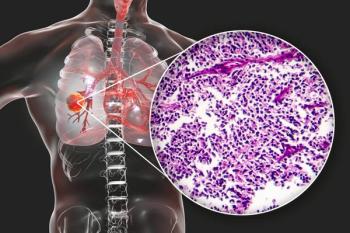
Libtayo survival data, a rare positive osteosarcoma trial and new ADCs for breast, lung and stomach cancers are among ESMO 2026 abstracts to watch.
The FDA has accepted a sNDA for Ameluz topical gel, used in combination with the RhodoLED red-light lamp series, for superficial basal cell carcinoma treatment.
The U.S. Food and Drug Administration (FDA) has accepted a supplemental New Drug Application (sNDA) for Ameluz (aminolevulinic acid hydrochloride) topical gel, used in combination with the RhodoLED red-light lamp series, for the treatment of superficial basal cell carcinoma (sBCC), according to a news release from Biofrontera. The agency identified no filing deficiencies and set a Prescription Drug User Fee Act (PDUFA) target action date of Sept. 28, 2026.
“This milestone represents an important step forward in our strategy to expand the clinical utility of Ameluz and reinforce photodynamic therapy as a versatile platform in dermatology,” said Dr. Hermann Luebbert, CEO of Biofrontera. “The FDA’s acknowledgement of no filing deficiencies in our sNDA reflects the strength of the data package and allows us to move forward with confidence toward a potential new indication that addresses a meaningful unmet medical need.”
If approved, Ameluz would become the first and only photodynamic therapy (PDT) photosensitizer specifically indicated for sBCC in the United States. This milestone could expand treatment options for patients diagnosed with the most common type of skin cancer.
BCC affects approximately 3.6 million people in the United States each year. Published estimates suggest that approximately 10% to 25% of these cases are classified as the superficial subtype. Although BCC is often highly treatable, management typically involves surgical excision, Mohs surgery or other destructive techniques. These approaches may not be suitable or preferred for every patient, particularly when cosmetic outcomes or multiple lesions are a concern.
If the FDA grants approval, Ameluz PDT could provide a noninvasive alternative for patients with sBCC. Photodynamic therapy involves applying a light-sensitive medication to the skin, followed by exposure to a specific wavelength of light. This process activates the drug, leading to selective destruction of cancerous cells.
Ameluz is currently approved in the United States for the treatment of actinic keratosis, a precancerous skin condition. The proposed expanded indication would represent a significant clinical advancement for the PDT platform and may broaden access to a therapy that aligns with real-world dermatology practice.
Photodynamic therapy combines a photosensitizing agent with a light source to target abnormal cells. Ameluz uses a nanoemulsion formulation designed to enhance penetration into the skin. When paired with the RhodoLED red-light lamp series, the therapy delivers red-light illumination that penetrates deeper into tissue compared with shorter wavelengths such as blue or green light.
This deeper penetration may allow treatment of lesions that extend further into the skin layers, a key consideration for superficial basal cell carcinoma. Red light activates the aminolevulinic acid compound, leading to the formation of a light-sensitive molecule within cancer cells. When exposed to the red light, the activated compound produces reactive oxygen species that damage and destroy targeted cells.
Because PDT is localized, it may help preserve surrounding healthy tissue. For some patients, this approach may offer cosmetic and practical advantages compared with surgery.
The FDA’s acceptance of the sNDA confirms that the application is sufficiently complete to permit a substantive review. The agency reported no filing deficiencies, and the PDUFA target action date is set for Sept. 28, 2026. By that date, the FDA is expected to issue a decision regarding approval.
For patients, this step does not yet change current treatment options. Ameluz remains approved only for actinic keratosis. However, filing acceptance signals that regulatory review is underway and that the supporting data package met the agency’s initial requirements.
Biofrontera leadership described the milestone as part of a broader strategy to expand the clinical utility of Ameluz and reinforce PDT as a versatile dermatologic platform. If approved, the new indication could expand the addressable patient population and provide dermatology providers with an additional tool for managing superficial basal cell carcinoma.
Basal cell carcinoma is the most common cancer in the United States. Although it rarely spreads to distant organs, it can grow locally and cause significant tissue damage if left untreated. Early detection and effective management are essential.
Superficial basal cell carcinoma often appears as red, scaly patches and may occur on the trunk or extremities. Treatment decisions typically depend on tumor size, location, patient preference and overall health.
The potential approval of Ameluz PDT for sBCC reflects ongoing efforts to expand noninvasive treatment strategies in dermatologic oncology.
As the September 2026 decision date approaches, patients and providers will be watching closely to see whether this therapy becomes the first FDA-approved PDT photosensitizer specifically indicated for superficial basal cell carcinoma in the United States.
Editor's note: This article is for informational purposes only and is not a substitute for professional medical advice, as your own experience will be unique. Use this article to guide discussions with your oncologist. Content was generated with AI and reviewed by a human editor.
For more news on cancer updates, research and education,