

Mezigdomide plus Velcade and dexamethasone or Kyprolis and dexamethasone showed promising response rates across multiple doses in patients with relapsed or refractory multiple myeloma, research showed.
Mezigdomide plus Velcade and dexamethasone or Kyprolis and dexamethasone showed promising response rates across multiple doses in patients with relapsed or refractory multiple myeloma, research showed.
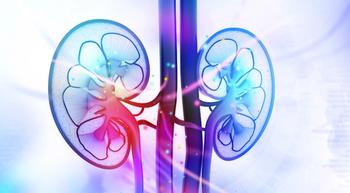
Long-term follow-up data showed that Lenvima plus Keytruda continued to show benefit in patients with metastatic kidney cancer.
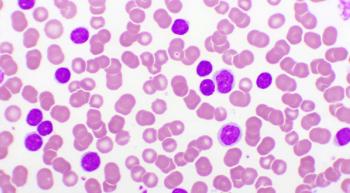
Findings from a phase 3 trial demonstrated that half of patients with FLT3-ITD-mutant acute myeloid leukemia and detectable minimal residual risk derived a relapse-free survival benefit with Xospata.

Jakafi led to improved symptom score and spleen volume reductions in patients with myelofibrosis, regardless of anemia or transfusion status, recent research showed.
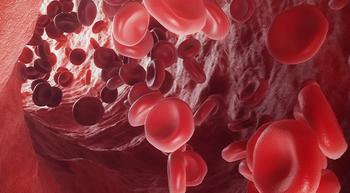
Three-fourths of patients with relapsed/refractory B-cell acute lymphoblastic leukemia experienced complete responses — which tended to be durable — when treated with the CAR-T cell therapy, Obe-cel.

Results of the Canadian Cancer Trials Group CX.5/SHAPE trial could lead to surgical de-escalation among patients with cervical cancer.

Extended-duration Nubeqa reduced the risk of death in patients with nonmetastatic castration-resistant prostate cancer, study results showed.

The addition of a personalized cancer vaccine to Keytruda led to a 44% reduction in the risk of death or recurrence in certain patients with melanoma.

Zolbetuximab plus mFOLFOX6 lengthened the time to progression for patients with CLDN18.2-positive, HER2-negative locally advanced unresectable or metastatic gastric/gastroesophageal junction (GEJ) adenocarcinoma.

The use of Enhertu was associated with a reduction in the risk of death compared with standard chemotherapy in certain patients with gastroesophageal and gastric cancer.

Treatment with the CAR-T cell therapy ciltacabtagene autoleucel (cilta-cel) led to a 97.9% response rate at two years in patients with relapsed/refractory myeloma in a recent clinical trial.

The use of elacestrant, an investigational therapy, elicited a 30% reduction in the risk of disease progression or death compared with standard of care in a group of patients with estrogen receptor (ER)–positive, HER2-negative metastatic breast cancer.

Treatment with the study drug was associated with a doubling of a survival outcome in patients with advanced gastrointestinal stromal tumor, compared to placebo.

More than six years of follow-up data show that Opdivo alone, or in combination with Yervoy, continued to induce long-term survival benefits compared to Yervoy alone in patients with previously untreated advanced skin cancer.

The study’s lead author noted that the data support giving patients with advanced bladder cancer chemotherapy to get control of the disease and then maintaining that control with maintenance Bavencio.

Treatment with Keytruda following surgery was associated with a significant reduction in the risk of disease recurrence or death compared with placebo in patients with clear cell renal cell carcinoma.

Updated data from the phase 2 DESTINY-Breast01 study continues to show encouraging and durable responses for patients with HER2-positive metastatic breast cancer.

In this phase 3 trial, Verzenio with endocrine therapy reduced the risk for invasive disease recurrence and death versus endocrine therapy alone for patients with high-risk, early hormone receptor–positive, HER2-negative breast cancer.