
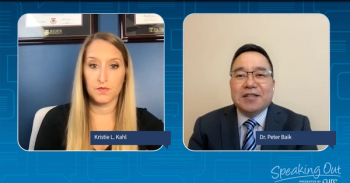
As part of its “Speaking Out” video series, Dr. Peter Baik, on behalf of Cancer Treatment Centers of America, discussed how far the space has come with surgical advances, and where it is headed, in treating early-stage lung cancer.
As part of its “Speaking Out” video series, Dr. Peter Baik, on behalf of Cancer Treatment Centers of America, discussed how far the space has come with surgical advances, and where it is headed, in treating early-stage lung cancer.
As part of its “Speaking Out” video series, Dr. Peter Baik, on behalf of Cancer Treatment Centers of America, discussed the importance of timing and decision-making of treatment in early-stage lung cancer.
As part of its “Speaking Out” video series, Dr. Peter Baik, on behalf of Cancer Treatment Centers of America, discussed disparities seen in lung cancer screening and what more can be done.

There are ways to manage the fear of cancer recurrence, so it doesn’t become overwhelming or debilitating. Physicians like me and a network of resources are here to help.

One cancer survivor describes how making healthier choices in diet and exercise has improved her quality of life and relationship with others.

Head and neck cancer treatments and the subsequent side effects can be overwhelming for patients and their caregivers due to the impact they have on routine activities, writes a speech-language pathologist at Cancer Treatment Center of America Atlanta. However, the expert notes, there are plenty of specialists who can help improve patient quality of life.

Experts from Cancer Treatment Centers of America explain why mental health is important from cancer diagnosis through survivorship, the types of therapy and more.

Twenty years of updates in technology, techniques and available medications has provided more hope for patients with colorectal cancer, with more advances on the horizon.
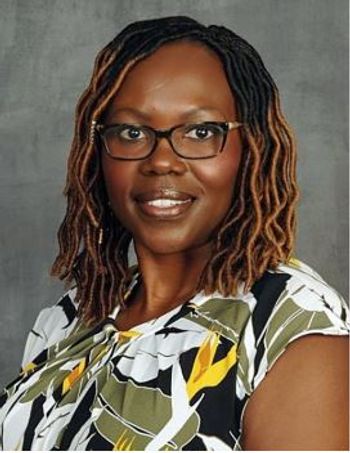
When cancer harms the body’s ability to make antibodies, what does that mean for the efficacy of vaccines?

From the use of BTK inhibitors to maintenance therapy, an expert highlights how the treatment landscape of mantle cell lymphoma has drastically changed for the better in recent decades.
A blood cancer specialist discusses how the development of tyrosine kinase inhibitors in the 1990s to treat chronic myelogenous leukemia drove major oncology advancements over the next three decades.

When cancer treatments stop working, it is not the end of the line. Most patients with advanced disease will be on continuous therapy, and that means trying different options along the way.