

Skin cancer can have detrimental effects on not only a patient’s physical health, but their emotional and mental health as well, according to an expert at the CURE® Educated Patient® Skin Cancer Summit.
Skin cancer can have detrimental effects on not only a patient’s physical health, but their emotional and mental health as well, according to an expert at the CURE® Educated Patient® Skin Cancer Summit.
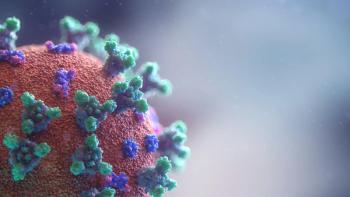
We may never know what triggered the global pandemic that has claimed more than 3.8 million lives. And we won’t know the long-term effects until enough time has elapsed. What we do know for certain is that the incredible strength and collaboration of the scientific community have allowed us to regain some semblance of normalcy.

A cancer survivor explains how she is approaching her reentry into the world after COVID-19 restrictions have been lifted.

On social media, CURE® recently asked its readers to share what was the most meaningful thing someone has said to them during their cancer journey. Here’s what they shared.
It is important to help people feel more confident as they face many decisions during their cancer journey and provide them with resources to show them that they don’t have to face the disease alone.

Patients with cancer experienced higher levels of loneliness, isolation and symptom burden due to social distancing procedures for COVID-19, according to a recent study.

On social media, CURE® recently asked its readers to share what was the most surprising thing that changed in their life since receiving a cancer diagnosis. Here’s what they shared.

A doctor from the department of radiation oncology at Emory’s Clifton Campus describes a nurse at her institution who goes “above and beyond” her call of duty by training her colleagues and making her patients feel comfortable.

On social media, CURE® recently asked its readers to share what unexpected, non-treatment-related costs they incurred during their cancer journey. Here’s what they shared.
In this episode of the “CURE® Talks Cancer” podcast, Dr. William Breitbart, chairman of the Department of Psychiatry and Behavioral Sciences at Memorial Sloan Kettering Cancer Center, discusses the impact of the COVID-19 pandemic on mental health within the cancer community and what people can do to manage this extra strain.

Long-term survivors of childhood cancer may have increased risks of cancer-related worries, which may be associated with higher levels of substance use, health care utilization and lower rates of physical activity.

When a patient’s cancer care team determines treatment is no longer working, it’s time to make some difficult decisions regarding long-term care, writes one breast cancer survivor. Here, she shares advice on how family members can offer their love and support.

A woman with metastatic breast cancer laments the losses she’s faced due to cancer.
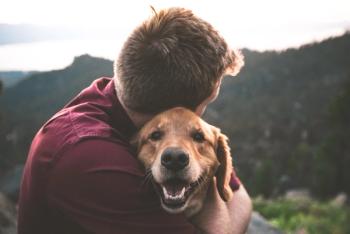
On social media, CURE® recently asked its readers to share how a pet helped them during their experience with cancer. Here’s what they shared.
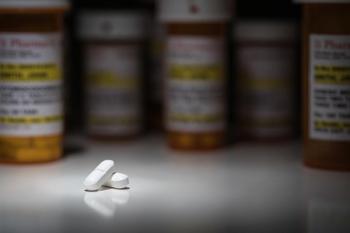
According to a survey of 26 patients with advanced cancer, many reported that the U.S. opioid epidemic impacted their opinions of opioid use for pain management and conversations with their clinician regarding prescriptions.

A man who lost his wife to melanoma explains how he channeled his grief into advocacy that led to a change in legislation.

The Philadelphia-based cancer center has enrolled patients who receive port insertions in MyCareCompass, a new program that organizes patient information and provides educational content to help patients understand their treatment.
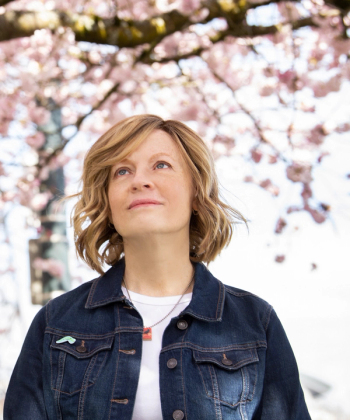
Channeling optimism during your cancer journey isn’t just about living longer — it’s about living better.

A person with metastatic breast cancer discusses the emotional experience of learning that her dog, Heidi, was diagnosed with cancer.

A cancer survivor describes her interpretation of a quote about loss by philosopher Marcus Aurelius.

A cancer survivor shares advice on how people can support a friend with cancer.

A cancer survivor and former military service member writes how he used to be short with people, demanded things be done his way and often made others feel little — that is until his cancer diagnosis. Here, he shares how his experience with cancer taught him to be kinder to others.

On social media, CURE® recently asked its readers to share where they first turned to for information after they received their cancer diagnosis. Here’s what some of them said.

A person living with metastatic breast cancer shares a poem regarding how her life changed in an instant, and how she continues to push forward even though her disease is extensive.

A cancer survivor recalls an experience from early on during the COVID-19 pandemic and reiterates how more than a year later, she thinks about those little things.
A person with metastatic breast cancer writes about how she just wants to be “normal” again and for people to stop pitying her.

A cancer survivor writes about all the little things she has missed because of the COVID-19 pandemic. Those little things — such as going to a diner and connecting with friends — are now appreciated more than we ever would have imagined, she writes.

Progress on palliative care education and adoption in cancer centers has been slow, but an expert from The University of Texas MD Anderson Cancer Center says studies show that it can improve cancer outcomes.

A prostate cancer survivor recalls a time when the cancer center’s staff helped him realize that its OK to have fun while receiving cancer treatment.

A cancer survivor yearns for the “touch starvation” brought on by the COVID-19 pandemic to be over. She writes about how just one hug can make a huge difference for people.