







The FDA approval of Trodelvy for patients with HR-positive, HER2-negative metastatic breast cancer provides patients with another treatment option after hormone therapy and standard chemotherapy.
The FDA approval of Trodelvy for patients with HR-positive, HER2-negative metastatic breast cancer provides patients with another treatment option after hormone therapy and standard chemotherapy.

After I was diagnosed with stage 4 breast cancer, clinicians told me I wouldn’t make it to my 35th birthday, but I recently did — and look forward to celebrating many more.

Some patients with metastatic non-small cell lung cancer are not receiving effective therapies for their disease, the study authors suggested.

Survivors of childhood cancer tended to have a higher rate of clonal hematopoiesis than those without a cancer history, research showed.

On a recent car ride with my son, I asked him if he planned on being tested for Lynch syndrome, the cancer-related syndrome that I have.

The use of PD-L1 to predict outcomes highlights a possible opportunity to better understand which patients with ER-positive breast cancer may benefit from an immune checkpoint inhibitor.

I don’t think of nature as a distraction to my cancer, masking the symptoms or the reality of my disease, but rather as a therapy that offers comfort and serenity with no negative side effects.

Data suggests an association between tumor DNA circulating in plasma and patient responses to neoadjuvant treatment.

An expert discussed the recent approval of Keytruda for non-small cell lung cancer, and what patients with the disease need to know about the newly approved regimen.

A new tool may identify more patients with cancer who can benefit from immunotherapy.

As a health care provider who specializes in lymphedema, I had a unique perspective when I was diagnosed with cancer.

Muscle aches related to cancer treatment were having a major impact on my life.

Postmenopausal women cancer survivors, including lung, breast, colorectal and endometrial cancer, may have a greater physical function decline than is generally expected at their age, which may lead to lower quality of life after treatment.
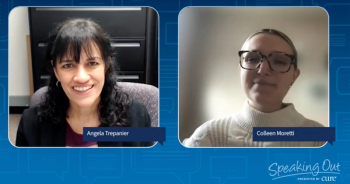
As a part of its “Speaking Out” video series, CURE® spoke with genetic counselor, Angela Trepanier, on behalf of FORCE, to grasp a better understanding of what genetic breast cancer is and what it means for patients and their families.
As a part of its “Speaking Out” video series, on behalf of FORCE, CURE® spoke with Diane Rose, their vice president of volunteer programs about the importance of support for those affected by hereditary cancers.

As a part of its “Speaking Out” video series, CURE® spoke with genetic counselor, Angela Trepanier, on behalf of FORCE, about disparities seen in genetic testing for caner.
As a part of its “Speaking Out” video series, on behalf of FORCE, CURE® spoke with Diane Rose, their vice president of volunteer programs, about how advocacy partnerships can bring greater awareness and education to patients with cancer and their families.
As a part of its “Speaking Out” video series, on behalf of FORCE, CURE® spoke with Diane Rose, their vice president of volunteer programs, about clinical trials for patients with hereditary cancers and those who have a risk of developing.

When children with cancer received dexrazoxane alongside their chemotherapy, they tended to have fewer heart complications in the short and long term.

Guidelines often use a cutoff of 70 years old for breast cancer treatment, but patients should discuss goals of care with their team to further personalize their care.

When I started cancer treatment, I had been cast in some sci-fi flick without prior consent.

The Food and Drug Administration granted an investigational new drug application and green lit the continued study of GC012F for the treatment of patients with relapsed/refractory myeloma.

The new year brings reflection on living fully with cancer.
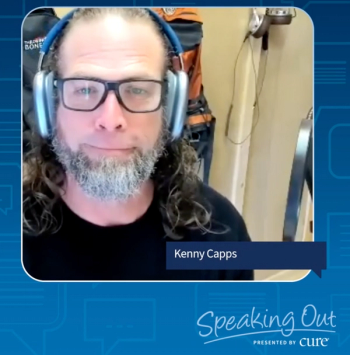
As a part of its Speaking Out Video series, CURE® spoke with Kenny Capps, from Throwing Bones for a Cure, about the importance of staying active during a multiple myeloma diagnosis.
As a part of its Speaking Out Video series, CURE® spoke with Kenny Capps, from Throwing Bones for a Cure, about the impact multiple myeloma has on a patient’s mental health and what they can do to help themselves.
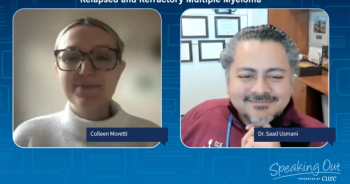
As a part of its Speaking Out Video series, CURE® spoke with Dr. Saad Usmani, on behalf of Throwing Bones for a Cure, about the future of multiple myeloma treatments.
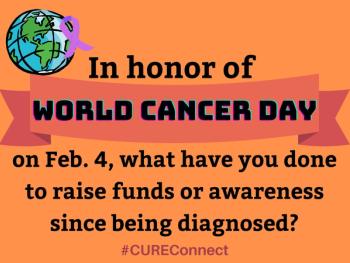
In honor of World Cancer Day, we asked our readers what they do to raise funds and awareness since being diagnosed.

I recently reflected on the most difficult decision I faced during my experience with cancer.

Findings from the phase 3 NRG-GY018 trial found that the addition of Keytruda to standard chemotherapy improved progression-free survival in patients with stage 3 to 4 or recurrent endometrial cancer.