




One of the more prevalent misconceptions about inherited cancer mutations is that genetic testing is only for White people, according to a genetic counselor.
One of the more prevalent misconceptions about inherited cancer mutations is that genetic testing is only for White people, according to a genetic counselor.

Whether it be physical, psychosocial or financial, the lasting effects of cancer and its treatment can be overwhelming. One expert explains how a personalized survivorship care plan can tackle it altogether.

A breast cancer survivor explains that many people deal with long-term emotional trauma as a result of their cancer experience and argues that more should be done to address it.

When one patient experienced issues related to costly prescriptions and side effects to treatments, one nurse practitioner helped her navigate the way to make the journey a little easier.
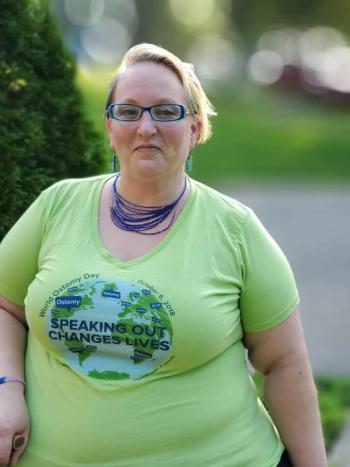
A bladder cancer survivor discusses the importance of World Ostomy Day and shares her own ostomy story.
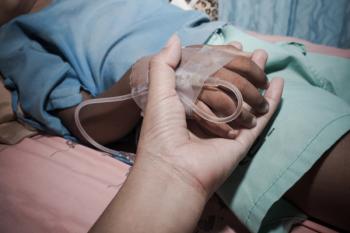
A patient details how her oncology nurse always made her feel safe no matter how overwhelming her workload may have been.

Lifestyle factors like diet and exercise can play a major role in cancer outcomes. In this article, a clinical dietitian offers advice on healthy eating before and after a cancer diagnosis.

One oncologist highlighted the knowledge base of the immunotherapy and targeted therapy and how they interact with cancer cells.

This October it’s important to put your money towards breast cancer research or brands that are transparent in their support of research, prevention and awareness, explains a woman with metastatic breast cancer.

From Blink-182 bandmember Mark Hoppus’s cancer update to Olympian Elizabeth Beisel’s swim for cancer, here’s what’s happening in the cancer landscape this week.

Keeping track of labs can help patients with MPN better understand the side effects and reasons for treatment , according to an expert from the Medical College of Wisconsin.

A successful cancer treatment process includes more than just surgery, chemotherapy and other treatments: it involves keeping up your wellness from both a physical and mental standpoint, an expert says.

Clinical trials are key in driving treatment advancements for patients with cancer – especially those with genetic mutations – and should not be looked at as a last resort.

A cancer survivor explains why each person experiences cancer differently – from side effects to treatments and more.
A woman explains how she received a lung cancer diagnosis while she was caring for her sick husband and what it was like to lose him in this episode of the “CURE® Talks Cancer” podcast.

There are certain laws that may protect the medical information of people with genetic predispositions to cancer from their employers and possible health insurers.

Maintenance therapy is meant to prevent relapse after a patient with ovarian cancer received their main treatment. Here’s an overview of what patients should know.

Getting rid of the "blanket statement" and looking deeper into genetics may allow patients with cancer who are older than 60 years to become eligible for immunotherapy, highlighting the importance of further research on the topic.

A cancer survivor writes about the traumatizing experience of undergoing mastectomy, dealing with her partner’s hurtful comments about her body and how she was able to rebuild her dignity.
The new approach of chemotherapy plus Opdivo offers “the best of both treatment approaches,” says one expert.

While the recent FDA approval of Jakafi offers another effective option for patients with chronic GVHD, one expert urges that more work needs to be done to prevent and/or reverse the condition.

The FDA has approved Braftovi plus Erbitux for pretreated patients with BRAF V600E-mutant metastatic colorectal cancer.

A retired oncology social worker shares some helpful tips for being a supportive caregiver while also maintaining your own well-being. “Caregiving is compassion in action,” he writes.
Here’s what patients should know about the recent FDA approval of Exkivity, the first oral therapy for patients with non-small cell lung cancer who have EFGR exon 20 insertion mutations.

How does COVID-19 vaccine hesitancy relate to fear of mammograms for breast cancer? A cancer survivor explains the connection.

Cannabis is becoming more widely used than ever in patients with cancer, though it is important to find reliable information, says an expert from the American Cannabis Nurses Association.

Certain races/ethnicities and ages may have worse outcomes in Hodgkin lymphoma regardless of variation in upfront chemotherapy.
An expert explains virus mutations, the Delta variant of COVID-19 and which masks offer the best protection for patients with cancer.

Chemotherapy-related fatigue is a real and often debilitating side effect from cancer treatment.

A woman explains how her Lynch syndrome diagnosis altered the way she lives her life, and shares advice for others on how to shift their priorities while maintaining positivity and hope.