





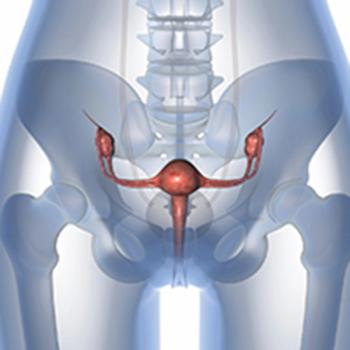
PARP inhibitors are changing the way ovarian cancer is treated.
PARP inhibitors are changing the way ovarian cancer is treated.

Living with lymphedema presents unique challenges. Here's one survivor's story.
Why did I react so differently from my family? It’s hard to put into words, but other survivors would just get it.
Some lessons I’ve learned on and off the operating table

More research is needed on the other genetic mutations, besides BRCA, that patients with ovarian cancer harbor so that they can be used to help plan treatments.

Verzenio (abemaciclib) was granted FDA approval for certain patients with advanced or metastatic breast cancer.
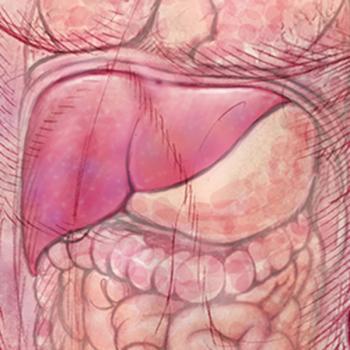
After nearly a decade with no new therapies, new drugs to treat liver cancer are showing great promise, according to Steven R. Alberts, M.D.
Do I really have to wear a prosthesis?
October is Breast Cancer Awareness Month, so be prepared to see pink everywhere you turn.

Expanding surveillance after surgery from chest X-ray to follow-up with PET-CT scan did not improve overall survival (OS), researchers reported during the 2017 ESMO Congress.

Experts in multiple myeloma share the newest information on the goals of therapy in symptomatic disease, testing for minimal residual disease, the role of transplantation, and the use of maintenance therapy.

Sumanta Kumar Pal, M.D., associate professor, Department of Medical Oncology, City of Hope, covered the scope of exciting genitourinary cancer data presented at the 2017 ESMO Congress, with a sharp focus on the CABOSUN and CheckMate-214 trials.

Acupuncture is a powerful resource that has been around for thousands of years. The traditional Chinese medicine is effective in treating chronic pain and headaches, and is now being used by many patients with cancer as a complementary therapy alongside medicinal treatment.
Claustrophobic, needle-phobic and just plain wimpy, the fight to survive has pulled me through.
Would you go see a genetics counselor again, now that there may be more to test for? Would you get a double mastectomy seven years out?

For people with multiple myeloma, dollars spent on treatment are being stretched farther than they used to be, a recent study shows.

Some moments in life get seared into your brain. Years later you can picture exactly what you were wearing. You can conjure up the smell of the room.

Mail-order kits are now making genetic testing more accessible to patients who may need it the most.
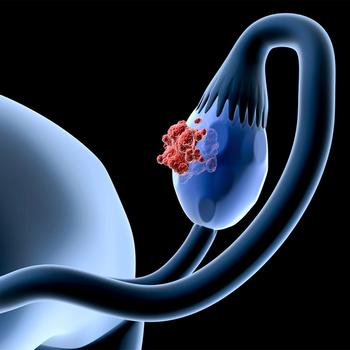
The future for immunotherapy treatment for gynecologic cancers may be found in drug combinations, according to Dmitriy Zamarin, M.D., Ph.D., who admits that these agents have been slower to demonstrate progress in this group of patients.
A cancer diagnosis is not something any of us plan for. Be sure to have patience with yourself during and after treatment.
Second guessing personal medical decisions is common in the world of breast cancer. Is it wrong to rethink some of those choices?
Cancer survivors generally work very hard to be healthy after a diagnosis. This article gives permission to enjoy life and have a balanced attitude toward healthy living.
Keytruda (pembrolizumab) was granted FDA approval for the treatment of patients with recurrent or advanced gastric or gastroesophageal junction (GEJ) adenocarcinoma who have received two or more lines of chemotherapy and are PD-L1-positive.

OVER THE LAST FEW years, significant advances were made in the treatment of patients with chronic lymphocytic leukemia (CLL). Several novel therapies, most of them oral, have now been approved by the Food and Drug Administration. These include Imbruvica (ibrutinib), a Bruton’s tyrosine kinase (BTK) inhibitor; Venclexta (venetoclax), a B-cell lymphoma-2 (BCL2) inhibitor; and Zydelig (idelalisib), a phosphoinositide 3-kinase (PI3K) inhibitor.
Opdivo (nivolumab) was granted FDA approval for the treatment of hepatocellular carcinoma (HCC) – regardless of PD-L1 status – for patients who have previously been treated with Nexavar (sorafenib).

Venclexta (venetoclax), a BCL-2 inhibitor, had promising results in patients with relapsed or refractory chronic lymphocytic leukemia (CLL). According to an updated analysis of a clinical trial, the agent led to negative minimal residual disease (MRD) in 40 percent of patients involved.
Breast cancer survivor reflects back on what she wishes the medical profession's approach could have been to her cancers.
Living in a selfie-centered world can be challenging, especially for those touched by breast cancer.
Pink ribbons came out of the woodwork when I was diagnosed with breast cancer, and at first, I hated them.