






Looking back on the hardest of conversations during cancer treatments
Looking back on the hardest of conversations during cancer treatments
Listening and small gestures can make a difference when someone you know is dealing with cancer.
A male breast cancer survivor discovers this path to tranquility.

Zykadia was granted FDA approval for the treatment of some patients with non-small cell lung cancer.

Axicabtagene ciloleucel (KTE-C19; axi-cel) was granted a priority review by the Food and Drug Administration (FDA) for the treatment of transplant-ineligible patients with relapsed or refractory non-Hodgkin lymphoma (NHL).

Edward Messing, M.D., discusses his recent paper which explored a possible way to reduce recurrence in some patients with bladder cancer.

Opdivo (nivolumab) was granted a priority review designation by the Food and Drug Administration (FDA) to treat some patients with liver cancer.
Many chemo drugs are ototoxic which means they can cause hearing loss. This provides information on some of the drugs and resoruces which can help the chemo patient.
Trump proposed budget cuts to National Institutes of Health, National Cancer Institute and Medicaid
In the midst of the uncertainties of metastatic cancer, plans for treatment are the easy part. How to plan for life? That's more difficult.

Kari B. Wisinski, M.D., talks about new agents being explored in triple-negative breast cancer.

Keytruda (pembrolizumab) was granted a priority review to a supplemental biologics license application for the treatment of patients with recurrent or advanced gastric or gastroesophageal junction adenocarcinoma who have undergone at least two courses of chemotherapy.

The Oncologic Drugs Advisory Committee (ODAC) recommended the approval of Nerlynx (neratinib) for some patients with breast cancer.

While other cancers seem to occur more frequently in people with high blood sugar, that is not the case for brain cancer, according to a recent study.

Though deemed "safer" than normal cigarettes, electronic cigarettes may still pose a risk for bladder cancer.
No man is an island, but sometimes our interdependency isn’t clear.
Keytruda (pembrolizumab) was granted an accelerated approval by the Food and Drug Administration (FDA) for the treatment of both adult and pediatric patients who have unresectable or metastatic, microsatellite instability-high (MSI-H) or mismatch repair deficient (dMMR) solid tumors.

Arjun V. Balar, M.D., discusses Keytruda's impact on the treatment of urothelial carcinoma.

Early results for a new agent, pyrotinib (HTI-1001), are showing promise for the treatment of HER2-positive breast cancer, according to phase 1 results from China published in the Journal of Clinical Oncology, which showed that the drug was well-tolerated and showed anti-tumor activity.

Amye J. Tevaarwerk, M.D., discusses which patients with ER-positive breast cancer may be good candidates to continue endocrine therapy after five years.
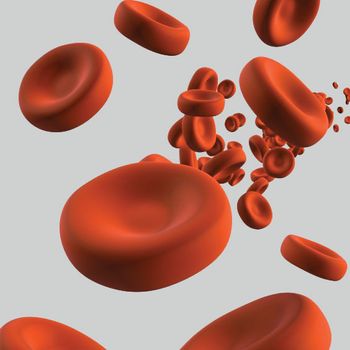
There is currently no uniform procedure for patients with double-hit lymphoma (DHL) that prolongs benefit. Some patients receive autologous stem-cell transplantation to reduce the risk of relapse, but the jury is still out on the impact that it has.

Clinical trial enrollment is vital for the field of MPN treatment to continue to progress forward.

Smoking is a risk factor for a number of different types of head and neck cancers, but quitting is not always easy.

A recent study found that the Chinese exercise method of tai chi can help combat insomnia in breast cancer survivors.
Are you deciding with your heart or with your head?

A recent study found Avastin to be more effective in treating certain types of ovarian cancers.

Patients who choose not to have their thyroid cancer treated often have feelings of anxiety and isolation, and are at a risk of disengaging from the health care system because they might not feel supported.

After the Affordable Care Act was passed, a study found that there were more stage 1 cancer diagnoses across the nation.
Post-mastectomy syndrome is a condition affecting some women after surgery for breast cancer. This syndrome occurs as nerves begin to regenerate and heal.

An observational study showed that patients with stage 3 colon cancer who frequently ate tree nuts were more likely to have better outcomes.