






A recent trial found that a four-drug regimen showed improved survival for patients with advanced colorectal cancer.
A recent trial found that a four-drug regimen showed improved survival for patients with advanced colorectal cancer.


The best chemotherapy strategy (IP versus IV) for patients with ovarian cancer is still being debated. Franco M. Muggia, M.D., weighs in.

A new subtype of cervical cancer was found that does not express the HPV oncogene.
Waiting for that next office visit can be stressful.

A recent study found that some late effects are more prevalent in patients who were diagnosed with thyroid cancer before 40 compared to those who were diagnosed at a later age.

Surgical palliation improved quality of live and solid food intake in patients with certain types of gastric cancer, according to a recent study.

CURE spoke with David Albala, M.D., about the impact robotic surgery has had on patients with prostae cancer.
Coping with cancer and treatments looks different for everyone.

The Georgia Ovarian Cancer Alliance compiled a book of stories from women who were touched by ovarian cancer.

Pursuing treatment significantly improves survival for patients with late-stage lung cancer.

David F. McDermott, M.D., is optimistic about combination regimens shaping the treatment landscape for renal cell carcinoma.

Patients in a small study who were placed on a certain diet plan for three months saw a decrease in fatigue from breast cancer treatments.

A recent study found that Opdivo improves survival in patients with gastric or gastroesophageal junction (GEJ) cancer.

A recent study found that there is a period of time by which post-operative chemotherapy can be delayed without having negative impacts for patients with lung cancer.

A recent study found that frequent, moderate exercise may reduce mortality and progression in patients with metastatic colorectal cancer.
Two-time cancer survivor offers the perspective of time and experience to fellow survivors.
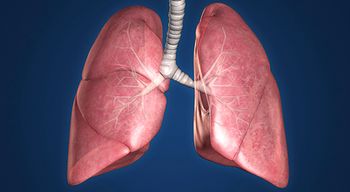
Roy Herbst, M.D., Ph.D., spoke with CURE about the future of Keytruda, and immunotherapy in general, to treat lung cancer.

Imbruvica was granted an accelerated FDA approval to treat some patients with marginal zone lymphoma (MZL).

Genetics can help determine a patient's risk of developing a brain tumor, as well as what treatments may work.

A recent study found that there has been a sharp decrease in the percentage of men who are being treated for prostate cancer.
A patient with metastatic breast cancer offers nine steps to getting away from fear.

While the stereotypical cancer caregiver is someone who is older, The Caregiver Space realizes that this group is diverse in age and profession. The online resource center seeks to support them all.

Patients, survivors, advocacy groups and politicians share their views on the upcoming repeal of the Affordable Care Act.

The results of a recent study showed that a wait-and-watch approach may be appropriate for patients with rectal cancer.
Certainty takes on a whole new meaning when you are living with cancer.
Attitude. Belief. Courage.
Health professionals have always touted the benefits of exercise, but what role, if any, does exercise play in helping fighting post-cancer fatigue?

There is a need to find biomarkers that may help predict recurrence in HPV+ oropharyngeal cancer, says Matthew E. Spector, M.D.

The FDA recently issued a warning that a type of medicine used to treat Type 2 diabetes may increase a person's risk for developing bladder cancer.