






A diagnosis of high grade glioma can bring about a number of symptoms, but a recent study found that yoga may be able to improve quality of life for this subset of brain cancer patients and their caregivers.
A diagnosis of high grade glioma can bring about a number of symptoms, but a recent study found that yoga may be able to improve quality of life for this subset of brain cancer patients and their caregivers.

One year after shaving my head, here are some of the lengths I've gone for length.

Optimizing treatment for patients with HR-positive breast cancer means that researchers must first find a way for patients to overcome drug resistance, says William J. Gradishar, M.D.
For decades, research into bladder cancer treatments was stagnant, but now science has moved into a period rife with new approaches — immunotherapy chief among them.
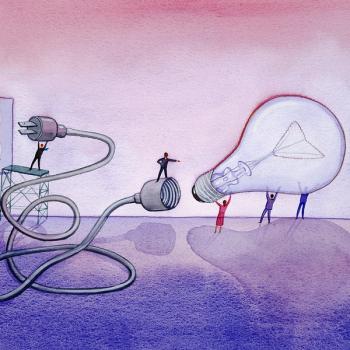
More advances, such as personalized approaches, still need to be made in treating glioblastoma, says Jennifer Moliterno Gunel, a brain surgeon from Yale.
Forget advice, forget the stories of others with cancer, and leave silence behind you when you learn about a friend's cancer diagnosis

With a donation to Teen Cancer America, people can have the chance to win concert tickets to see music legends at Coachella, thanks to a contest the organization is hosting to raise money for young people battling cancer.

What is the best way to handle a cancer diagnosis as a parent? While there may be no definitive answer, Wendy S. Harpham weighs in.

While treatment advances have led to more survivors of medulloblastoma, the most common form of pediatric brain cancer, therapeutic approaches with fewer long-term effects are still needed.
A former competitive runner discovers the healing link between mastectomies, meditation and marathons.
Art therapy provides a creative outlet for many breast cancer patients and helps them cope with stress.
On taking a mental health break from cancer in order to rekindle a sense of hope.
Cancer survivor encourages fellow survivors to keep on swimming through their cancer experience.

According to a new report by the American Association for Cancer Research, the number of survivors living in the United States rose by one million between 2014 to 2016. This demonstrates real progress, according to Nancy Davidson, M.D.

CURE spoke with David Reardon about immunotherapy and the future of treating brain cancer.
Hammonds discusses how she leaves the scary stuff behind and focuses, instead, on the good stuff after ovarian cancer.
Every person who crosses our paths has something to teach us. Here's what I learned from my kind, silent and bonus friends during cancer.

Jedd D. Wolchok discusses the future of immunotherapy in melanoma treatment.

While many new treatment options have been introduced for kidney cancer in recent years, the question of how to sequence them is still being debated.
When my feline companion developed cancer, quality of life became more important than quantity of days.
Three words no one wants to hear

Communication for any two people in a relationship can be challenging, but can be especially so when one partner has advanced cancer.
The number 18 holds special meaning for me as it marks 18 years since I heard these words: “You have incurable colon cancer.”
Because cancer is an invisible disease, most patients can keep it under wraps when out in public, but there are some instances when we need to play 'the cancer card.'

Women with stage 1 endometrioid adenocarcinoma of the uterus showed improved survival with vaginal brachytherapy (VB), according to a large database analysis published in the journal Cancer.

Tecentriq (atezolizumab) has been found to be non-toxic and has demonstrated a major survival advantage in patients with metastatic urothelial bladder cancer.

The FDA voted against approving Qapzola for treatment of some patients with bladder cancer.
As a survivor of cancer, life has enough difficulty without daily painful reminders. Let go of items that create emotional clutter today.
Sometimes I drive myself a little crazy wondering what I did to get breast cancer (even though I know logically why I likely did). I think too much. I am pretty sure I am not alone in this. Cancer survivors, including me, really should try to lose the Blame Game.

Educate, engage and energize — those are the three main verbs and goals of the Bladder Cancer Advocacy Network’s (BCAN) first ever leadership summit.