

Gastrointestinal stromal tumor
Latest News
Advertisement
Video Series



Latest Videos


Advertisement
More News
For some with GIST, bezuclastinib plus Sutent led to longer progression-free survival and higher response rates compared with Sutent alone.
Gleevec remains effective in advanced gastrointestinal stromal tumors, with complete response or full tumor removal doubling median survival.
This patient guide explains gastrointestinal stromal tumors, covering diagnosis, treatment options, targeted therapies and practical care tips.
September’s top gastrointestinal cancer news covered long-term Gleevec results for GIST, a pancreatic cancer vaccine and FDA designations.

For patients with advanced GIST, complete surgical removal of metastases and full response to Gleevec are associated with roughly double the survival time.
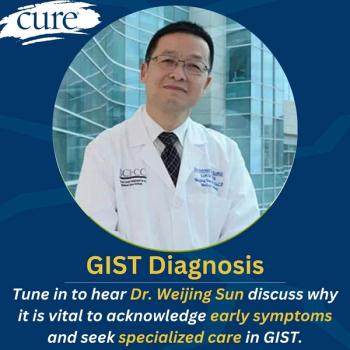
It is vital to acknowledge early symptoms, seek specialized care, as well as an expert opinion when it comes to gastrointestinal stromal tumor treatment.
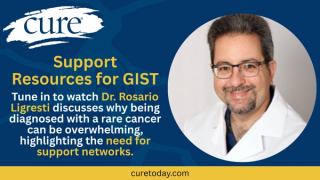
In an interview, Dr. Rosario Ligresti highlighted what patients with gastrointestinal stromal tumors, or GIST, should know upon starting treatment.
Dr. Rosario Ligresti discussed common signs and symptoms of GIST, as well as highlighted how the treatment landscape has changed in recent years.
Although gastrointestinal stromal tumor, or GIST, is a rare type of cancer, between 4,000 and 6,000 people are diagnosed with GIST in the U.S. yearly.
Among patients with advanced gastrointestinal stromal tumors, Gleevec and Mektovi was associated with benefits in progression and survival.
Getting an expert opinion is essential after a rare cancer diagnosis like GIST, as each patient’s situation is unique, according to Dr. Weijing Sun.
Unlike most GI cancers, GIST starts in supportive stromal tissue, not surface cells, and is classified as a sarcoma, says Dr. Weijing Sun.
Dr. Weijing Sun discussed how GIST is typically diagnosed, as well as what tests are commonly used to confirm the diagnosis.
Dr. Breelyn Wilky discusses challenges that patients with GIST face and shares advice with those who feel overwhelmed by the rarity of their condition.

Dr. Breelyn Wilky urged newly diagnosed GIST patients to seek support from peers and advocacy groups, and to consult experts, even if care stays local.

Dr. Breelyn Wilky explains how vague symptoms and testing challenges delay GIST diagnoses; however, molecular testing can help guides treatment decisions.

Dr. Breelyn Wilky stresses the importance of expert guidance and second opinions for patients with GIST, as treatment options continue to evolve rapidly.
Dr. Breelyn Wilky discusses some of the most recent advancements in GIST treatment, as well as touched on the role of personalized therapy.

Dr. Breelyn Wilky explains that personalized treatments are helping improve outcomes for patients with gastrointestinal stromal tumors.
Preclinical data has showing compelling findings for HT-KIT among patients with rare and aggressive KIT-driven cancers, including GIST and some leukemias.
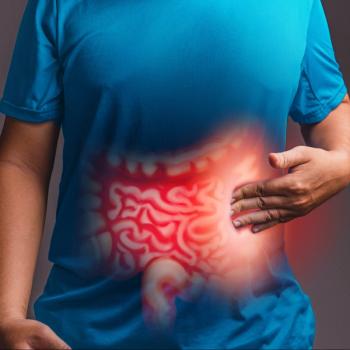
A new endoscopic tunneling method, STER, allowed a patient to have a GIST removed without surgery, allowing quicker recovery and fewer complications.
A phase 1 trial has initiated and is investigating treatment with ziftomenib plus Gleevec in advanced GIST following progression on Gleevec.
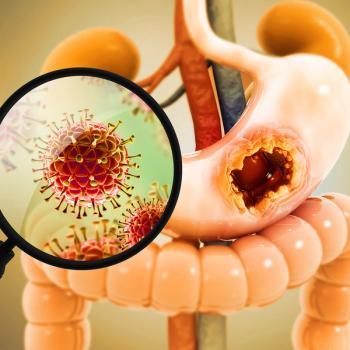
SIRT with 90Y resin microspheres led to durable disease control in patients with gastrointestinal stromal tumor liver metastases resistant to TKI therapy.
Alternating between Glivec and Stivarga therapy didn't impact survival outcomes; it led to more toxicity and discontinuations in patients with GIST.
HT-KIT, a novel targeted therapy for GIST, demonstrated the ability to reduce tumor burden in humanized mouse models and induce tumor cell death.
Advertisement
Advertisement
Trending on CURE
1
Diagnosed With Sarcoma at 21, She Found Her People at Mary's Place
2
FDA Approves Jemperli for dMMR Locally Advanced Rectal Cancer
3
How a Cancer Survivor Learned to Stop Hiding His Surgical Scars
4
Stage 4 Breast Cancer: How a Second Opinion Saved Her Life
5