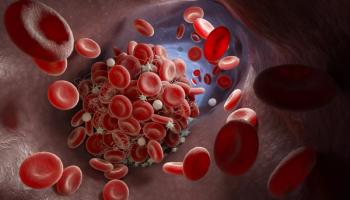
For Blood Cancer Awareness Month, Dr. Guenther Koehne shares why immunotherapy is making this a promising time for people with blood cancers.
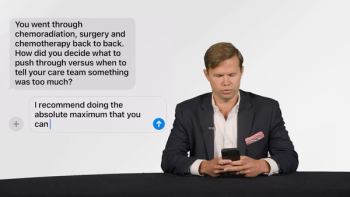
In an interview, liver cancer survivor Charles Walker shared how family support and a living donor transplant changed his treatment journey and outlook.
When facing liver cancer, patients often rely on more than medical care alone. For Charles Walker, the strength of his family became a critical source of hope and resilience throughout his diagnosis, transplant journey, and recovery. Walker sat down with CURE’s Gina Mauro, vice president of Content at MJH Life Sciences, for an interview in which he reflected on the role his “village” played in helping him persevere through one of the most challenging periods of his life.
Walker explained that family has always been central to his values, but the level of support he received after his diagnosis exceeded anything he expected. His youngest son moved back home to help during treatment and recovery, providing both practical assistance and emotional comfort. His oldest sister stayed with him for a month, accompanying him to early appointments and helping his wife research treatment options and prepare questions for his care team. With five sisters, along with nieces, nephews, and friends consistently checking in, Walker described feeling surrounded by encouragement at a time when it mattered most.
That support became especially meaningful when Walker confronted what many liver disease patients experience: the gap created by a low Model for End-Stage Liver Disease (MELD) score. Although he qualified for the United Network for Organ Sharing transplant list, he was considered relatively healthy compared with others awaiting deceased donor organs. As a result, he recognized that receiving a liver from the list was unlikely, making living donation his most realistic option.
Walker shared how he carefully considered potential donors, even journaling through the decision-making process. His sister was the first to undergo testing, though she was not a match. Eventually, his oldest son, Kyle, chose to pursue donation after taking time to understand the risks and long-term implications. That decision proved transformative, not only for Walker’s treatment path but also for their relationship.
Although the two already shared a close bond, Walker described his son as his hero, acknowledging the courage required to make such a life-altering choice. The experience deepened their connection and reshaped how Walker views gratitude, sacrifice, and family.
To hear more of Charles Walker’s story and his earlier reflections on diagnosis, transplant, and survivorship,
For more news on cancer updates, research and education, don’t forget to