
|Videos|August 7, 2015
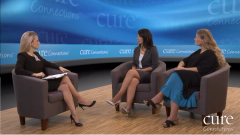
Answering the Difficult Questions
Advertisement
Advertisement
Related to this article
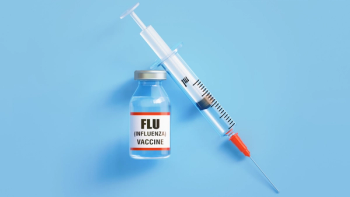
Answers to common questions about flu, COVID-19, RSV and other vaccines for people in cancer treatment, including which shots to avoid, the best timing around chemotherapy and what family members should do.

Deciding what to tell your children about your cancer is one of the hardest parts of a diagnosis. Guidance from the National Cancer Institute and a doctor who raised three young kids through cancer can help you begin.

Hot flashes are common during and after breast and prostate cancer treatment. Here is how hormone treatments compare with the nonhormonal medicines, therapies and comfort steps that national guidelines list, and why the right choice depends on your cancer.

For people who already have cancer, quitting smoking can help treatment work and the body heal, and the National Cancer Institute says it improves the outlook for cancer patients. Here is what quitting can do and where to find free help.

Copay cards, drugmaker assistance programs and charity foundations each help with cancer drug costs in different ways, and Medicare rules change which ones you can use. Here is how each works and where to start.
An updated ASTRO guideline released Oct. 27, 2026, says most men getting radiation for prostate cancer that has not spread can safely finish treatment in weeks instead of months, and many can finish in five sessions. Here is what that means for patients.

Food safety, germs, fatigue, taste changes and tough questions can make Thanksgiving harder during cancer treatment. Here are five ways to plan ahead.

City of Hope experts share integrative therapies that may ease breast cancer side effects such as joint pain, hot flashes, poor sleep, fatigue and anxiety.
Advertisement
Advertisement
Trending on CURE
1
FDA Approves Wilserdly to Lower Recurrence Risk in Early Breast Cancer
2
FDA Approves Ekitna Plus Sutent for Previously Treated Advanced GIST
3
Living With a New RAS-Targeted Drug for Pancreatic Cancer
4
Wilserdly for Early Breast Cancer: What to Know Before the FDA Rules
5