Diagnosed with stage 4 breast cancer weeks after giving birth, Eileen Carter explains why getting a second opinion changed the course of her care.
Dr. Sandy Srinivas explains how age, comorbidities and medications influence personalized prostate cancer treatment decisions.
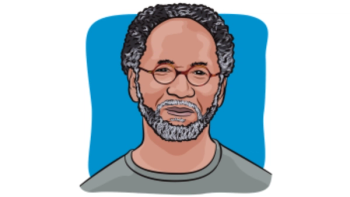
At the 2026 NCCN Annual Meeting, CURE sat down on site with Sandy Srinivas, a professor of medicine (oncology) and urology at Stanford Medicine and a leader in clinical research within the urologic oncology space. In addition to serving as the clinical research group leader for the Urologic Program, she is a principal investigator on numerous trials and plays a key role in shaping treatment guidance as vice chair of the National Comprehensive Cancer Network panel for prostate cancer.
During this conversation, Srinivas discussed how treatment selection today is increasingly driven by a comprehensive understanding of the patient as a whole, rather than the disease alone. She emphasized that factors such as age and the presence of comorbidities, including conditions like hypertension and diabetes, can significantly influence therapeutic decisions. In many cases, patients are also taking multiple medications, such as blood thinners, which may interact with cancer therapies and require careful consideration.
As treatment options expand, clinicians must weigh these variables to determine the most appropriate and safe approach. Srinivas highlighted that modern oncology care is not one-size-fits-all, but instead requires a nuanced, individualized strategy that accounts for both the cancer and the patient’s broader health profile.
What factors might influence treatment selection today for patients?
Some of the factors that are important are age and comorbidities. You know, what other medical problems do you have? Hypertension, diabetes — we know that many of the patients are on blood thinners. So, there is a lot of interaction between medications. As we think about selection, many of these come into consideration, not just about a given patient, but also about the other medical comorbidities that you might have.
Transcript has been edited for clarity and conciseness.
For more news on cancer updates, research and education,