Depending on dose, firmonertinib shrank tumors in 43% to 68% of patients as a first treatment for EGFR PACC-mutant lung cancer in the phase 1b FURTHER trial.
As Canadian wildfire smoke blankets much of the U.S., here's what people with cancer and cancer survivors should know about the potential health risks.
Thick haze from hundreds of wildfires burning across Canada has blanketed much of the Midwest and Northeast this week, triggering air quality alerts across 19 states and exposing more than 120 million people to dangerous levels of fine particulate matter. For people with cancer and those who have completed treatment, the ongoing smoke event raises important questions about what exposure may mean for long-term health.
Not all air pollution carries the same risks. According to a 2025 review published in BMJ Oncology, levels of fine particles in wildfire smoke — known as PM2.5 — can greatly exceed those found in typical ambient air, spiking within just hours of a fire breaking out. Researchers note that wildfire PM2.5 carries higher toxicity than equal doses of the everyday background particulate matter most people encounter.
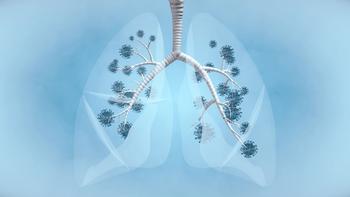
The reason comes down to composition. Wildfire particles contain 5% to 20% elemental carbon and at least 50% organic carbon. Those organic compounds, produced through the combustion of biomass, generate more free radicals than standard ambient pollution — and free radicals are associated with inflammation and oxidative stress in the lungs.
Certain components of wildfire smoke, including PM and polycyclic aromatic hydrocarbons, are already recognized as carcinogenic, even if wildfire smoke as a whole has not been formally classified as a Group 1 carcinogen by the International Agency for Research on Cancer.
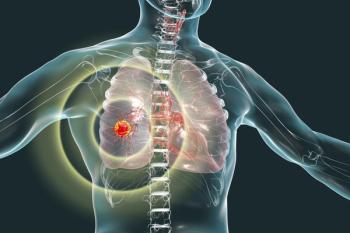
Long-term exposure to wildfire smoke has been linked to increased cancer incidence. A large population-based observational cohort study that followed 2 million people in Canada over a median of 20 years found that compared with unexposed populations, cohort members who lived within 50 kilometers of a wildfire in the past 10 years had a 4.9% relatively higher incidence of lung cancer and a 10% relatively higher incidence of brain cancer.
The risks extend beyond diagnosis. For people recovering from lung cancer surgery, the data are particularly notable. Those exposed to wildfire smoke in the zero to 3 months following their procedure had a 43% higher risk of dying compared with those who were not exposed. That figure was 39% for exposures occurring between 4 and 6 months post-surgery and 17% for exposures between 7 and 12 months.
One detail that often surprises people: wildfire smoke can travel thousands of miles from its origin. The same BMJ Oncology review notes that smoke from fires on the West Coast of the U.S. or Canada can reach the East Coast — a pattern playing out this week as fires in Ontario have cast haze across New York City, New Jersey and much of the Northeast.
Wildfire smoke events are becoming more frequent and more intense as rising temperatures, prolonged droughts and expanded fire seasons create conditions for larger and more destructive fires. The compounds found in wildfire smoke generate a greater potential for inflammation and oxidative stress in the lungs compared with everyday air pollution.
People with cancer — particularly those with lung cancer or those recovering from thoracic surgery — may want to speak with their oncologist or care team about additional precautions during active smoke events. Checking local air quality index levels regularly and limiting time outdoors when smoke is heavy are practical first steps.
For more news on cancer updates, research and education,