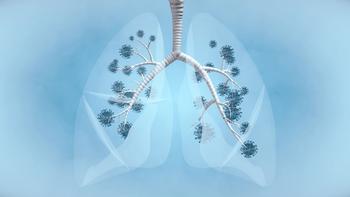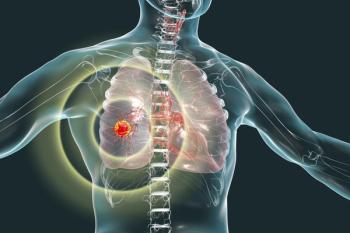
Depending on dose, firmonertinib shrank tumors in 43% to 68% of patients as a first treatment for EGFR PACC-mutant lung cancer in the phase 1b FURTHER trial.
Showing up taking notes and learning the disease can help families feel empowered as new treatments expand hope and quality of life.
Chris Draft said patients with lung cancer and their caregivers can regain control after diagnosis by showing up, staying informed and leaning into advocacy, emphasizing that treatment advances are creating more hope than ever.
Draft, founder of Team Draft and a former NFL player, became an advocate after his wife died of stage 4 lung cancer. He pointed to growth in biomarker testing, targeted therapies and a surge of approvals in recent years that are helping more patients live longer with better quality of life.
Draft: Well, first of all, I want to say thank you to Johnson and Johnson for setting up this interview and giving us the opportunity to talk about the hope and the progress that’s happened over the last 15 years. How do I know things have changed? I know because my wife’s journey started in December 2010, when she was diagnosed with stage 4 lung cancer. In January 2011, they did biomarker testing, and they already had targets like EGFR. From that point, we knew things were changing and that there was hope.
Now that hope is confirmed year in and year out, especially over the last five to seven years, where the number of treatment approvals has really exploded. So yes, there’s hope. I think the key is being able to look for it and not just focus on the disease. Cancer is real, and I know that because my wife passed after one year, but I can still appreciate the changes that have happened and celebrate the people benefiting from these newer treatment options.
Number one is to be there. Show up. It’s not really about running a play as much as being present, because when someone hears a diagnosis, they don’t always take in all the information. You need someone there taking notes. There are so many unfamiliar terms at the beginning that you’ll be asking what did you say or how do you spell that. So take notes, or even record a voice memo so you can go back and understand what you heard.
The other part is accepting the diagnosis. If someone’s diagnosed, they’re diagnosed. We’re going to work the problem, not sit there asking why. It’s more about saying this is where we are, so let’s move forward. Show up, take notes and accept it so you can adjust and keep going.
All types of people are at the game — fans, families and people from the community — and we’re highlighting someone who’s able to be there and helping people understand why. It’s because the treatment is working. Survivors are doing well, so they can be part of that environment and that energy.
Everyone has a story. The key is telling it. For a long time, people thought lung cancer was only connected to smoking, because that’s what we told them. If people don’t know there’s hope, it’s probably because we haven’t shared that message. Our job is to let people know anyone can get lung cancer, no one deserves it and there are many more treatment options now. When they work, sometimes people don’t even realize what you’re going through because you look well.
The first thing is acknowledging that if you got a diagnosis, it means you already took action. You went to the doctor. That’s something you did. It’s not all out of your control. Cancer is cancer, but what you can do about it still matters, like knowing your body and following through with appointments.
Then give yourself credit and start learning. A lot of this information is new, and terms like stage 4 or metastatic don’t always mean much at first. Understanding what they mean and what’s happening helps you feel more in control. When you feel overwhelmed, remember you’re learning something new. Don’t expect yourself to know everything right away, but keep learning.
There are simply more people benefiting now. More mutations have been identified and more targeted therapies have been developed to address them. What we were told about hope back then is now becoming reality for more people.
When someone is doing well, others might not even know. You don’t see stage 4 lung cancer written on someone’s face. That’s why it’s important to share these stories and celebrate them. If we don’t, people won’t realize there’s hope. Seeing people live their lives, plan events and do normal things is a big deal, because the alternative is not doing well, and I know what that looks like.
We always say you have to take care of yourself, but that can be hard, so you have to be intentional. Find time to decompress, even if it’s just a little time each day. Those small moments matter.
Support groups help too, not just for survivors but for caregivers. There are things you might not want to say to the person you’re caring for, but other caregivers understand without you having to explain much. You need people you can talk to and space to express when you’re overwhelmed, so you can reset and come back.
The person standing beside you can often notice something’s wrong before the patient does. Lung cancer symptoms aren’t always obvious. It might just feel like shortness of breath or allergies, so it’s easy to overlook.
If something doesn’t feel right, be persistent. Keep asking questions and keep pushing for answers. Maybe it’s an X-ray, maybe it’s a CT scan. Don’t just accept the first explanation if it doesn’t make sense. As a caregiver, support your person and help them follow through.
There’s hope, but hope means progress. When treatments take minutes instead of hours, when someone can take a pill instead of spending all day at a clinic and when people live longer with a good quality of life, that’s a big deal.
That’s why research matters. It creates more treatment options and better diagnostics so people can live better lives. Where we were in 2011 is not where we are now, and it’s unacceptable not to check whether someone can benefit from new therapies, because they can truly change someone’s life.
Transcript has been edited for clarity and conciseness.
For more news on cancer updates, research and education, don’t forget to