A study found that sentinel lymph node biopsy rarely missed remaining cancer in patients with locally advanced breast cancer whose lymph nodes responded to chemotherapy before surgery.
Learn about inflammatory breast cancer (IBC) diagnosis, aggressive treatment paths, and side effects to better navigate your journey and care plan.
The following overview is designed to help you navigate the complexities of inflammatory breast cancer (IBC). While this information is comprehensive, it should serve as a foundation for deeper discussions with your oncology team.
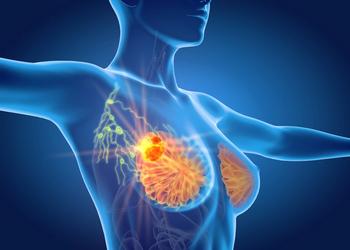
Inflammatory breast cancer is a rare and aggressive form of breast cancer that accounts for about 1% to 5% of all breast cancers diagnosed in the United States. Unlike more common forms of the disease, IBC often does not present as a distinct lump. Instead, cancer cells block the lymphatic vessels in the skin of the breast.
This blockage causes the breast to appear swollen, red and inflamed. Because it progresses rapidly — often within weeks or months — IBC is typically diagnosed at stage 3 or 4. Prompt medical intervention is critical for managing the disease effectively.
Diagnosing IBC requires a combination of physical examination and advanced imaging. Because the symptoms often mimic mastitis (a breast infection), doctors may first prescribe antibiotics. If symptoms do not improve within a week, further testing is mandatory.
IBC is treated using a multimodal approach. This means using several types of treatment in a specific sequence to achieve the best results.
1. Neoadjuvant Chemotherapy
Treatment almost always begins with systemic chemotherapy to shrink the tumor and clear the skin involvement before surgery. This typically lasts four to six months.
2. Surgery
Once chemotherapy has reduced the inflammation, a modified radical mastectomy is performed. This involves removing the entire breast and the underlying lymph nodes. Breast-conserving surgery (lumpectomy) is generally not recommended for IBC.
3. Radiation therapy
Post-operative radiation is standard for IBC. It targets the chest wall and lymph node areas to destroy any remaining microscopic cancer cells and reduce the risk of recurrence.
4. Targeted and Hormonal Therapy
If the cancer cells express certain receptors, such as HER2 or estrogen receptors, specific drugs, like Herceptin (trastuzumab) or aromatase inhibitors, will be added to the long-term treatment plan.
Treatment for IBC is intensive, and side effects vary depending on the therapy used.
An inflammatory breast cancer diagnosis is undeniably overwhelming due to its rapid onset and intensive treatment requirements. However, advancements in multimodal therapy have significantly improved outcomes over the last decade.
The most important step in your journey is maintaining an open, honest dialogue with your multidisciplinary team, which includes your surgeon, medical oncologist and radiation oncologist. Use this guide to ask about your specific subtype, the goals of your chemotherapy and your long-term survivorship plan.
Editor's note: This article is for informational purposes only and is not a substitute for professional medical advice, as your own experience will be unique. Use this article to guide discussions with your oncologist. Content was generated with AI, reviewed by a human editor, but not independently verified by a medical professional.
For more news on cancer updates, research and education, don’t forget to