After breast cancer at 30, Aisha shares her journey through motherhood, a double mastectomy, body image struggles and the challenges of survivorship.
Dr. Eric Singer discusses rising early-onset kidney cancer, the role of hereditary syndromes like VHL, and lifestyle tips for patients under age 50.
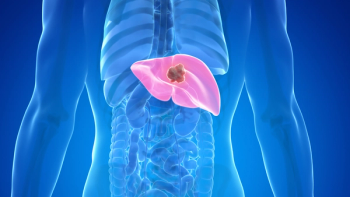
Kidney cancer is not exclusively a disease of older patients. For many young adults, the diagnosis comes as a shock, often appearing without warning in those who otherwise feel healthy.
In light of the death of Brad Arnold, lead singer of the rock band 3 Doors Down — who died of kidney cancer earlier this month at the age of 47 — and to better understand the rising incidence of early-onset malignancies as well as the unique risks facing patients under 50, CURE spoke with Dr. Eric Singer. Singer serves as the Clinical Director of Shared Resources and Associate Director for Clinical Research at The Ohio State University Comprehensive Cancer Center – Arthur G. James Cancer Hospital and Richard J. Solove Research Institute.
In this interview, Singer discussed the role of genetic screening, the impact of hereditary syndromes like von Hippel-Lindau (VHL), and why incidental findings remain the most common way these tumors are caught. His insights shed light on why staying vigilant about kidney health — and understanding family history — is more critical than ever for the next generation.
Many patients are surprised to hear about a younger patient developing advanced kidney cancer. What should patients under 50 know about their risk, even if they feel healthy?
Not only with kidney cancer, with many malignancies, we're thinking and learning more about what we call adolescent and young adult or early-onset cancer. So, essentially, patients being diagnosed with a malignancy years or decades earlier than we would often expect. And so that's an area of ongoing research, including work here at the James, and there's a new initiative called the Bridge Program where we're really looking to bring all of our resources to understanding better early-onset adolescent and young adult cancers.
So, where I come in, really focused on kidney cancer, is there are several things that we think of. When we're seeing patients diagnosed at a young age, some of that is because of hereditary syndromes, so, people who have a genetic alteration that's passed down from parent to child. A very well-known example is VHL, or von Hippel-Lindau syndrome, where people who have that condition will often develop a bilateral and multifocal — so tumors in both kidneys, in multiple locations — at an earlier age than we would see, what we call sporadic kidney cancer, someone who doesn't have that kind of genetic condition.
There's also familial kidney cancer, where we've seen multiple people in a family having a cancer that doesn't have a specific hereditary or genetic cause, we worry about those patients being at risk at a younger age as well.
In terms of your question about things to watch out for, really a lot of the things for kidney health have to do with basic health. So, avoiding obesity, avoiding smoking, avoiding diabetes, and if you have any of those things, trying to control them, if you have anything like blood in the urine, seek medical attention and see a urologist to evaluate that. But most kidney tumors today are still found incidentally, so someone gets an imaging study for some other reason, they had food poisoning or fell off a ladder or were in a car accident, and there's a scan done and we see a small kidney mass, and then have to figure out, is that kidney mass a kidney cancer or not?
Transcript has been edited for clarity and conciseness.
For more news on cancer updates, research and education,