

News|Videos|August 2, 2015
Learning About Your Prognosis
Advertisement



Advertisement
Related to this article

Paxalisib, first studied in brain cancer, may help HR+ breast tumors respond to CDK4/6 inhibitors again, based on early lab data.

A cancer survivor shares what to say, what not to say and how listening can help support someone through cancer treatment and beyond.

Bravnetsa is the first radioligand therapy approved through the FDA's abbreviated pathway, adding an option for adults with SSTR-positive GEP-NETs.

The investigational drug, first developed for brain cancer, is being tested to see whether it can make resistant tumors respond to treatment again.
Cancer research is increasingly looking beyond the tumor to understand the whole body, immune system and patient experience.
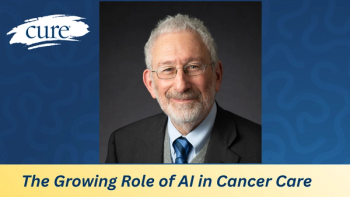
AI is becoming a growing part of cancer care. Learn how doctors are using it to navigate complex treatment decisions and support patients.

In patients with advanced ROS1-positive lung cancer who had not previously received a ROS1-targeted drug, Jideytro also shrank tumors that had spread to the brain in all 10 evaluable patients.

An estimated 70% of patients with stage 3 lung cancer do not see their tumors respond to standard treatment. An expert explains why, and what a new approach aims to change.
Advertisement
Advertisement
Trending on CURE
1
The Growing Role of AI in Cancer Care
2
3 More Lung Cancer Breakthroughs From WCLC 2026
3
Why Some Stage 3 Lung Cancers Don't Respond to Treatment, and What Researchers Are Trying Next
4
Blood Cancer Treatments in the FDA Pipeline: What Could Come Next
5