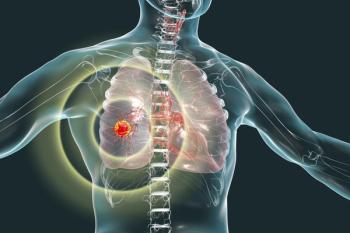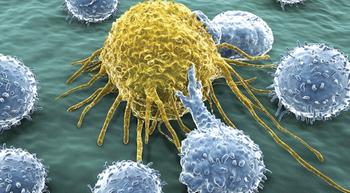
Three new studies from WCLC 2026 show strong results in ROS1-positive NSCLC, EGFR-mutant NSCLC and relapsed small cell lung cancer, offering fresh options.
Dr. Alexander B. Olawaiye presented findings at the 2026 Society of Gynecologic Oncology Annual Meeting showing that adding Lifyorli to nab-paclitaxel helped patients with platinum-resistant ovarian cancer live longer compared with nab-paclitaxel alone.
In the phase 3 ROSELLA trial, patients who received Lifyorli plus nab-paclitaxel lived longer than those who received nab-paclitaxel alone.
The median overall survival, or how long patients lived, was 16.0 months with the combination treatment compared with 11.9 months with nab-paclitaxel alone. This means patients lived about 4 months longer with the combination.
The treatment also reduced the risk of death by 35% compared with nab-paclitaxel alone.
At 12 months, 60% of patients receiving the combination were still alive compared with 50% of those receiving nab-paclitaxel alone. At 18 months, 46% of patients in the combination group were alive compared with 27% in the nab-paclitaxel-only group.
These results were seen across different groups of patients, including those who had received different numbers of prior treatments and those who had previously received other therapies.
Platinum-resistant ovarian cancer can be difficult to treat because it often stops responding to standard chemotherapy options.
The results from this study show that adding Lifyorli to nab-paclitaxel may help patients live longer and keep their cancer under control for a longer period of time.
For patients, this could mean more time before the cancer worsens and potentially more time to consider future treatment options.
The ROSELLA trial included patients with ovarian, fallopian tube or primary peritoneal cancer whose disease had returned or worsened within 6 months after platinum-based chemotherapy.
Patients had received 1 to 3 prior treatments and had previously received bevacizumab.
In the study, 381 patients were screened and then randomly assigned to receive either Lifyorli plus nab-paclitaxel or nab-paclitaxel alone.
Treatment continued until the cancer worsened or side effects became too difficult to manage.
The main goals of the study were to measure how long patients lived and how long their cancer stayed under control.
Earlier results from the study showed that the combination also helped delay cancer growth.
Patients who received Lifyorli plus nab-paclitaxel had a median time before the cancer worsened of 6.5 months compared with 5.5 months for those receiving nab-paclitaxel alone.
At 6 months, 52% of patients receiving the combination had not seen their cancer worsen compared with 42% of those receiving nab-paclitaxel alone. At 12 months, those numbers were 25% and 13%, respectively.
This means the treatment not only helped patients live longer but also delayed how quickly the cancer progressed.
Side effects were common in both groups, which is expected with cancer treatment.
All patients receiving the combination experienced side effects, compared with 99.5% of those receiving nab-paclitaxel alone. More serious side effects occurred in 74.5% of patients receiving the combination and 59.5% of those receiving nab-paclitaxel alone.
Serious side effects occurred in 35.1% of patients in the combination group compared with 23.7% in the nab-paclitaxel-only group.
Some patients stopped treatment due to side effects. In the combination group, 10.1% stopped Lifyorli and 9.6% stopped nab-paclitaxel. In the nab-paclitaxel-only group, 7.9% stopped treatment.
The most common serious side effects included low white blood cell counts, which occurred in 44% of patients receiving the combination compared with 25% of those receiving nab-paclitaxel alone, and anemia, which occurred in 18% and 9%, respectively. Other side effects included nausea, diarrhea, fatigue and decreased appetite.
Importantly, no deaths were linked to Lifyorli, and no cases of adrenal insufficiency were reported.
Researchers also found that some side effects, such as nerve-related symptoms, occurred at similar rates in both groups.
For more news on cancer updates, research and education,