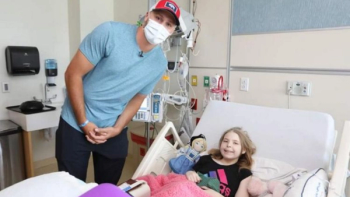
Hannah was 11 when she was diagnosed with acute lymphoblastic leukemia (ALL). Four years, two relapses and a 53-day hospital stay later, she is back in school.
Managing follicular lymphoma means balancing remission with the constant fear of relapse. Explore the reality of living with a chronic, incurable cancer.
Dealing with incurable cancer (I have follicular lymphoma, a form of blood cancer that is considered very treatable, but chronic and incurable) is like dealing with many other chronic diseases — and, in fact, many people have likened the situation to having diabetes, in regards to the parts about being treatable, chronic and incurable.
The problem with that comparison is that people assume the same limitations apply — watching my sugar intake, for example, or taking daily medications, which some people with follicular lymphoma do, and many others do not — or that, like diabetes, it can be controlled indefinitely. It can’t. I’ve talked to people who have never reached remission, and others who have been in remission for 20 or more years. There’s no way to know, and that uncertainty colors everything.
Even so, normality intrudes. Lives go on. Events occur, big, small, and in-between. Celebrations occur, holidays happen and so on. As with so many issues, cancer as an on-going concern doesn’t really occur to people who aren’t immediately involved. “You’re in remission, you’re cured, it’s been years, why are you worried?” is a common refrain.
As much as I enjoy retirement, there are days when I miss the normality of work, as stressful as teaching middle school special education students was, because it was also too busy to spend time worrying about something else. I loved teaching, and it caused me to focus as almost nothing else can do.
Yes, I am in remission (I think). No, I’m not cured; there is no cure. Yes, I worry. Any time there’s even a small change in my health, my first thought is generally “Is it back???” That thought occurs during normal illnesses — colds, for example, cause fevers; fevers cause sweats when they break, and sweats are a common symptom of active follicular cancer. So when such things occur, my first thought, however fleeting, is if it’s a cancer symptom, and I go running to find an alternate explanation. Do I, or did I, have a fever? Is it unusually hot? Did I leave that extra blanket on the bed when I should have taken it off? Anything I can find that explains why I’m sweating that is not “it’s back”.
Then, too, there’s the reports from my fitness watch, particularly when my reported resting heart rate rises; based on past experience, when I experience inflammation (and active cancers causes a lot of inflammation), my resting heart rate rises. Of course, there are lots of causes of inflammation — illness of any type being a primary one, along with stress; that latter one being a particular problem. When I’m stressed, my heart rate increases, and when I notice my heart rate has increased, I get stressed, and then it cycles. Fitness watches are good for a lot of things, but sometimes they provide a little bit too much information.
Until January, when a couple of enlarged lymph nodes appeared in my groin, the answer was “No, of course it’s not, quit worrying, or course it’s something else” (as little as that helped, some days). But now, as I wait for my next scan in July, every little change brings that thought back.
Still, I can’t live my life just worrying about a relapse. I can’t seem to avoid worrying, but I try to think of something else. For example, I lost weight without trying — but I adopted a dog, and my step count went way up. Before the CT scan, I just assumed that was the only cause; now, every time my weight fluctuates, I worry, but the dog still wants her walks, three times a day, because she’s a dog. That bit of normality really helps some days.
There are other sources of normality, too: exhibits to visit, exercise classes to attend, friends to meet up with, all the things that people do.
This piece reflects the author’s personal experience and perspective. For medical advice, please consult your health care provider.
For more news on cancer updates, research and education,