A study found that sentinel lymph node biopsy rarely missed remaining cancer in patients with locally advanced breast cancer whose lymph nodes responded to chemotherapy before surgery.
After an aggressive breast cancer diagnosis, psychologist Loraine Alderman retires to bridge gaps in patient literature through powerful advocacy.
For Loraine Alderman, the journey into the world of oncology began not with a lump she could feel, but with a scheduled sonogram on the Monday before Memorial Day in 2019. Having a history of prior benign biopsies, she was already under the close watch of a radiologist who maintained a strict six-month screening schedule. It was a precaution that likely saved her life. Alderman later learned that because her cancer was so aggressive, it might have reached stage 4 had it gone undetected for a full year.
The transition from a routine check-up to a life-altering diagnosis happened in a blur of medical appointments. Alderman, in an interview with CURE, recalled her initial lack of concern, telling her husband, "It's the mammograms that I sweat ... This is just the sonogram. I'm fine." However, during the procedure, she noticed the technician was concentrating heavily on her right breast. When her radiologist came in to double-check the results, he informed her she had two nodules that required biopsy. In that moment, Alderman recalled, "It's just all of a sudden everything becomes numb all around you".
On the Tuesday after Memorial Day, while Alderman was at work, she received the call confirming that both biopsies were positive for cancer. The speed of her treatment matched the aggressive nature of the disease; she was on the operating table just 37 days after her diagnosis. Initially scheduled for late July, she felt a deep sense of urgency, fearing that waiting two months for a fast-growing cancer was too dangerous. Her radiologist agreed, advocating for her surgery to be moved up. During the procedure, the urgency was justified: despite prior tests suggesting the cancer had not spread, the surgeon discovered it had already nearly consumed an entire lymph node.
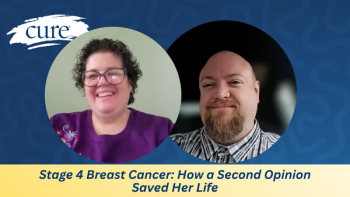
This whirlwind experience forced Alderman, a licensed clinical psychologist, to navigate a healthcare system that often felt overwhelming. One of the turning points in her care was seeking a second opinion. While her initial oncologist spent only 15 minutes with her, leaving her feeling uninformed, her second opinion with Dr. Kit Cheng lasted almost an hour. Cheng drew out a clear gameplan based on different surgical outcomes.
The physical toll of cancer and chemotherapy eventually altered the course of Alderman’s professional life. After returning to her role as a school psychologist for 1,500 children, she realized that "chemo brain" and brain fog were impacting her ability to meet her own standards. "I know how I work, and there was no way I could do the work to my satisfaction without making myself sick," she said. Choosing her health over the extreme stress of her position, she made the difficult decision to retire. "Why am I going to now do something that is going to cause enough stress to make the cancer come back?" she reflected.
However, her retirement was far from a retreat. Instead, she pivoted toward advocacy and authorship. Having previously shared her story in the CURE article
For two years, Alderman "wrote the book in her head" while falling asleep, envisioning a resource that would be truly user-friendly for the average person. This vision culminated in her new book, "Breast Cancer: Guidance, Advice and Personal Journeys," co-authored with Cheng and psychologist Katy Genseke and released in March.
For more news on cancer updates, research and education, don’t forget to