

Opinion|Videos|July 31, 2024
Navigating CML: Tools to Empower Patients and Caregivers
Joannie Clements, a patient advocate, provides insights on helping newly diagnosed patients with CML and their caregivers navigate the complexities of diagnosis, and Claire Saxton outlines resources available for them.
Advertisement
Episodes in this series
This program was made possible with support from Novartis Pharmaceuticals.
Video content above is prompted by the following questions:
- As a patient advocate, how do you help newly diagnosed CML patients and their caregivers navigate the complexities of the diagnosis and set appropriate care goals? What are some of the biggest challenges patients may face at this stage?
- What resources or educational materials have you found most helpful in supporting newly diagnosed CML patients and their caregivers?
- How do patients typically use these materials? How have you changed your approaches so patients and caregivers can best leverage these materials?
Advertisement
Related to this article

After her own breast cancer diagnosis at 38, psychotherapist Ann Rivello started the Young Women's Group at Bay Area Cancer Connections so others could see someone who'd made it through.

From a daily pill for pancreatic cancer to immunotherapy that lets some people with rectal cancer skip surgery, here are five FDA approvals from 2026 for colorectal, pancreatic and stomach cancers.

In the phase 3 lidERA trial, Wilserdly lowered the risk of invasive breast cancer returning or death by 30% compared with standard endocrine therapy.

The FDA is set to decide by Nov. 30 on Wilserdly after surgery for early ER-positive breast cancer. Here's what the lidERA trial showed.
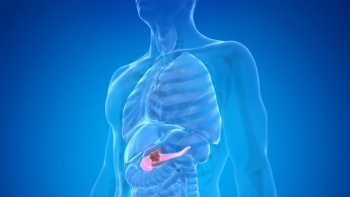
Rasonque plus chemotherapy shrank tumors in 60.7% of people with untreated metastatic pancreatic cancer, with responses lasting a median of 11.1 months.

Vicki McGrath, a Bay Area Cancer Connections board member, talks about fatigue, fear of movement and the role of peer support in post-surgery exercise.
At its 23rd annual conference, Bay Area Cancer Connections described how donations and volunteers fund services for people facing cancer’s medical, financial and practical costs.
On World Pancreatic Cancer Day, here are five numbers from the American Cancer Society's 2026 report that people with pancreatic cancer and their families should understand, and what those numbers can and cannot say about one person's outlook.