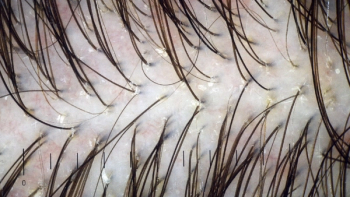
California Gov. Gavin Newsom signed AB 1682 on Sept. 27, requiring large-group health plans to cover prescribed scalp cooling starting Jan. 1, 2027. Medi-Cal coverage is pending federal approval.
The FDA accepted an investigational new drug application for chemo-related neuropathy, advancing a potential non-opioid treatment into a clinical trial.
A new investigational treatment aimed at addressing chemotherapy-induced pain and neuropathy has taken an important step forward. Dogwood Therapeutics recently announced that the U.S. Food and Drug Administration (FDA) has accepted its investigational new drug application for SP16, allowing the therapy to move into clinical testing for patients experiencing these often debilitating side effects.
The acceptance of the investigational new drug application means SP16 can now be evaluated in a phase 1b clinical trial, with patient enrollment expected to begin in mid-2026. For patients and survivors coping with long-term nerve damage from cancer treatment, this development signals progress toward a potential new, non-opioid treatment option.
SP16 is an investigational intravenous therapy designed to treat chemotherapy-induced pain and peripheral neuropathy, also referred to as CIPPN. The treatment works through two proposed mechanisms: reducing inflammation and promoting tissue repair.
Specifically, SP16 has demonstrated the ability to lower inflammatory markers often associated with pain and nerve damage. At the same time, it may support tissue repair by increasing signaling pathways involved in cell growth and survival.
This dual approach is particularly important because chemotherapy-induced neuropathy is not only painful but can also lead to long-term nerve damage. By targeting both inflammation and repair, SP16 aims to address the underlying causes of symptoms rather than simply masking them.
The therapy is part of a broader effort to develop non-opioid pain treatments, which are increasingly important in oncology care due to concerns about long-term opioid use.
Chemotherapy-induced peripheral neuropathy is a common and challenging side effect of many cancer treatments. It affects approximately 30% to 40% of patients six months after receiving neurotoxic chemotherapy, and symptoms can persist long after treatment ends.
Patients with this condition often experience numbness, tingling, and pain, particularly in the hands and feet. These symptoms can interfere with daily activities, balance, and overall quality of life.
Risk factors for developing neuropathy include the use of certain chemotherapy drugs, such as platinum-based agents or taxanes, higher treatment doses, and preexisting conditions like diabetes.
Currently, treatment options for chemotherapy-induced neuropathy are limited, and many therapies focus on symptom management rather than addressing the underlying nerve damage. This unmet need has driven research into new approaches like SP16.
Chemotherapy-induced neuropathy represents a significant challenge for both patients and clinicians. Although cancer treatment has advanced in many areas, managing long-term side effects remains a critical aspect of survivorship care.
For many patients, neuropathy can persist for months or even years after chemotherapy is completed. In some cases, symptoms may worsen over time, leading to chronic pain and reduced mobility.
Dogwood Therapeutics has focused its pipeline on developing treatments for pain and neuropathic conditions, including SP16 and its lead candidate, Halneuron. SP16 was licensed from Serpin Pharma in 2025 as part of a strategy to expand options for patients experiencing cancer-related pain.
The development of therapies like SP16 reflects a growing emphasis on improving quality of life for cancer survivors, not just treating the disease itself.
With FDA acceptance of the investigational new drug application, SP16 will now be studied in a phase 1b clinical trial focused on patients with chemotherapy-induced pain and neuropathy.
The trial is expected to begin enrollment in mid-2026 at the University of Virginia. The study will evaluate the safety, tolerability, and early signs of activity of SP16 when administered as an intravenous infusion.
Notably, the trial is fully funded by a $2.5 million grant from the National Cancer Institute, highlighting the importance of this research area and the need for new treatment options.
The phase 1b study will focus on patients who have developed neuropathy and pain as a result of chemotherapy. This includes individuals who may continue to experience symptoms long after completing cancer treatment.
These patients often face limited options for relief and may struggle with chronic symptoms that affect their independence and daily functioning.
By targeting this population, the study aims to address a critical gap in cancer care — the management of long-term treatment-related side effects.
A step forward in supportive cancer care
Although SP16 is still in early-stage development, the FDA’s acceptance of the investigational new drug application marks an important milestone. It allows researchers to begin evaluating the therapy in patients and gathering data that could support future studies.
Preclinical findings suggest that SP16’s anti-inflammatory and tissue-repair properties may offer a novel approach to treating neuropathy.
If successful, this therapy could provide a new option for patients seeking relief from chemotherapy-related pain without relying on opioids.
Editor's note: This article is for informational purposes only and is not a substitute for professional medical advice, as your own experience will be unique. Use this article to guide discussions with your oncologist. Content was generated with AI, reviewed by a human editor, but not independently verified by a medical professional.
For more news on cancer updates, research and education,