A study found that sentinel lymph node biopsy rarely missed remaining cancer in patients with locally advanced breast cancer whose lymph nodes responded to chemotherapy before surgery.
Learn about breast angiosarcoma, a rare blood vessel cancer. Discover the signs of primary and secondary cases to help guide your oncology discussion.
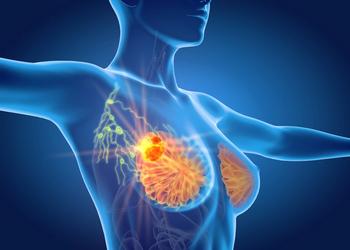
Receiving a diagnosis of breast angiosarcoma can feel overwhelming, especially because it is a rare and aggressive form of cancer. Unlike more common breast cancers that begin in the milk ducts or lobules, angiosarcoma starts in the lining of the blood vessels or lymph vessels. It accounts for less than 1% of all breast malignancies.
This guide provides an overview of the condition to help facilitate an informed discussion between you and your oncology team.
Angiosarcoma of the breast is a type of soft-tissue sarcoma. It is generally categorized into two groups:
Because these tumors involve blood vessels, they tend to grow and spread more quickly than typical breast cancers.
The diagnostic process is designed to determine the grade of the tumor and whether it has spread. You may undergo several tests, including:
Because this cancer is rare, treatment is often aggressive and involves a multidisciplinary team of surgeons and oncologists.
Treatments for angiosarcoma can be intense, and it is important to monitor how your body responds. Common side effects include:
Always report new or worsening symptoms to your care team immediately.
An angiosarcoma diagnosis requires a specialized approach. While the news is difficult, being your own advocate is the best way to navigate the journey ahead. Use this information as a starting point for your next appointment.
Consider asking your oncologist:
By staying informed, you can work closely with your medical team to make the best decisions for your health and recovery.
Editor's note: This article is for informational purposes only and is not a substitute for professional medical advice, as your own experience will be unique. Use this article to guide discussions with your oncologist. Content was generated with AI, reviewed by a human editor, but not independently verified by a medical professional.
For more news on cancer updates, research and education,