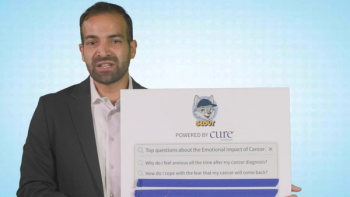
A psycho-oncologist answers 5 common questions about cancer-related anxiety, depression, fear of recurrence and emotional well-being.

At NCCN 2026, Anjali Albanese discussed how young adults with cancer face grief, isolation and loss of control that impact their emotional well-being.
At the 2026 NCCN Annual Conference, Anjali Albanese, an oncology social worker at Fox Chase Cancer Center, sat down for an interview with CURE to discuss the emotional and psychosocial impact of a cancer diagnosis among younger adults.
In the interview,
CURE: From a psychosocial perspective, what are the biggest emotional challenges young adults face after a cancer diagnosis?
When you think about more of the common emotional challenges, I would say loss of control is huge; loss of the ability to sort of plan your future, plan your life, or plan your schedule. Suddenly you're inundated with doctor's appointments, medical treatments, and side effects of treatments. It becomes difficult to figure out, "How do I feel like myself and get to live my life while I'm also dealing with this cancer diagnosis?"
People talk about isolation, feeling like they are out of sync with their peers. They don't know how to connect with their friends; the things their friends are worried about and talking about just feel so distant or so far removed from where they are. People say things like, "I just don't know how to... I feel like I don't know how to talk to people anymore."
It's like, physically, they're still the same person, but mentally and emotionally they've been pushed into adulthood. So, you know, social gatherings, dating, all that kind of stuff; it's so loaded for them that nothing just feels light and fun. Everything feels like it comes with five other things right behind it.
People often talk about, too, the anxiety that they feel because now they're thinking about their mortality at an age when you're not really supposed to be thinking about that. They talk about depression, just feeling like everybody else is leaving them behind and doing things that they would rather be doing, but they didn't get a choice.
The big one for me that I see a lot, though people don't often describe it this way, is grief. Because I think as a society, when we think about grief, we think about the loss of a person. When you say, "I'm grieving," people think, "Oh, well, who died? Who did you lose?" But in essence, they lost the person that they were before that diagnosis happened. I think that we don't really do people favors when we think about grief and only incorporate it as the loss of a person, because they're grieving little losses all along the way.
Grief really can complicate, emotionally, how this experience gets played out for them.
Transcript has been edited for clarity and conciseness.
For more news on cancer updates, research and education,