Articles by Conor Killmurray

From AstraZeneca announcing that it’s blood cancer drug Calquence is not effective for patients with COVID-19 to a street artist using a lab pipette to create a painting representing cancer out of 50,000 dots of paint, here’s what’s happening in the cancer landscape this week.
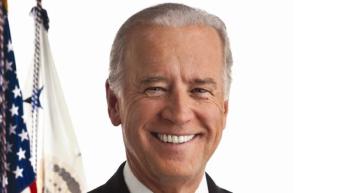
President-elect Joseph R. Biden Jr. has won the 2020 presidential election, which could impact the future of cancer care – in particular with the Affordable Care Act and the Cancer Moonshot Initiative.
Two sisters diagnosed with the same stage of breast cancer in the same spot three weeks apart take part in proton therapy trial, Mayo Clinic and Google Health partner to investigate the use of artificial intelligence in assisting with radiotherapy treatments and more from the weekly roundup of news and research happening in the cancer landscape.

Justice Amy Coney Barrett was sworn in to the Supreme Court on Tuesday. Her vote would be instrumental in deciding the fate of the Affordable Care Act. If it’s repealed during November’s landmark case, many could lose access to cancer screening and treatment.

The dependent coverage provision in the Affordable Care Act has helped adolescent and young adult patients with cancer stay on health insurance longer than those who had cancer before the ACA was signed into law.
From acclaimed actor Jeff Bridges tweeting about a new lymphoma diagnosis to controversial conservative radio host Rush Limbaugh announcing that his stage 4 lung cancer has progressed, here’s what’s happening in the cancer landscape this week.
An oncology nurse, patient turned advocate and cancer biologist were honored during CURE®’s third annual Ovarian Cancer Heroes program where they got to share messages of resiliency with a virtual audience.

Men may experience erectile dysfunction and incontinence after receiving treatment for prostate cancer. However, there are devices — like a penile prosthetic and artificial urinary sphincter — that can help control those side effects associated with treatment.

In an interview with CURE®, Dr. Trisha Wise-Draper discusses new findings that show an increased mortality risk for patients with cancer receiving systemic treatments who subsequently contracted COVID-19.
From a child from Indiana donating funds from a pumpkin sale to a local cancer charity, to a researcher at Stony Brook University being sentenced to prison after stealing $225,000 in cancer research funds, here’s what’s happening in the cancer landscape this week.
From study results demonstrating that the HPV vaccine substantially reduces the risk of cervical cancer to the first person known to be cured of HIV dying from acute myeloid leukemia, here’s what’s happening in the cancer landscape this week.
From a new study showing that the iCanQuit smoking cessation app is more likely to work than typical guidelines, to the House unanimously passing the Veteran’s Prostate Cancer Treatment and Research Act, here’s what’s happening in the cancer landscape this week.
From new research finding an association with longer survival in patients with colorectal cancer and the amount of coffee they drink in a day to the historic wildfires in northern California damaging, and possibly destroying, a summer camp for pediatric patients with cancer and more, here’s what’s happening in the cancer landscape this week.

The addition of immunotherapy to radiotherapy increased the overall survival of patients with cancer who developed brain metastases, according to new research.

The Food and Drug Administration approved the expanded use of the biomarker test CINtec PLUS Cytology that looks at HPV related biomarkers that could lead to cervical cancer. This is the first triage test approved in this space.

Recent immunotherapy approvals for patients with metastatic melanoma has widened the treatment landscape, but new research shows that patients associated with positive sociodemographic factors are more likely to receive immunotherapy.

Patients with relapsed/refractory diffuse large B-cell lymphoma who are unable to undergo autologous stem cell transplant have a new treatment option in the combination of Monjuvi and Revlimid. The lead researcher on the study that led to the combination’s approval discusses what patients need to know.
From the passing of famed Game of Thrones actress Dame Dianna Rigg after a lung cancer diagnosis to the recording of a confrontational call between a three-time cancer survivor and her senator’s staffer, here’s what’s happening in the cancer headlines this week.
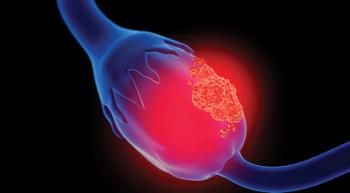
Compared to physician’s choice of chemotherapy, the MEK inhibitor Mektovi failed to improve progression-free survival in patients with low-grade serous ovarian carcinomas. However, the study authors note Mektovi demonstrated promising results that support continued use of the treatment.
When compared with the standard of care triplet regimen of Velcade, Revlimid and dexamethasone, the combination of Kyprolis, Revlimid and dexamethasone did not demonstrate superior treatment results in patients with newly diagnosed multiple myeloma.

A recent approval of the combination of Monjuvi and Revlimid fills an unmet need for certain patients with DLBCL, according to Dr. Gilles Salles.
From researchers identifying honeybee venom’s potential to kill cancer cells in a lab to a new study showing cancer risk was not significantly associated with use of permanent hair dye in women, here’s what’s happening in the cancer landscape this week.

Allogeneic hematopoietic stem cell transplant’s role in the chronic lymphocytic leukemia has changed due to new novel agents, but research shows its still effective despite novel agent exposure.
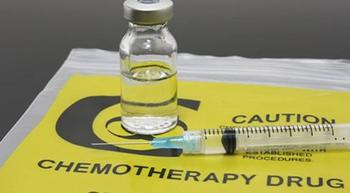
An early phase 1b/2 study of Copiktra in combination of standard of care shows how the treatment is active for patients with chronic lymphocytic leukemia but further study is needed to ensure it is an effective and safe alternative to standard of care.
From Washington Football Team head coach Ron Rivera announcing he has cancer but plans to continue coaching this season, to ”Dancing With the Stars” judge Len Goodman revealing he had surgery to remove skin cancer from his face, here’s what’s happening in the cancer landscape this week.
From the bi-partisan Research to Accelerate Cures and Equity (RACE) for Children Act implementing an FDA mandate that all new cancer therapies for adults must also be studied in children, to the “Iron Man” of baseball Cal Ripken Jr. announcing he’s cancer free after a February diagnosis, here’s what’s happening in the cancer landscape this week.
Circulating tumor DNA and circulating tumor cells are usual markers for minimal residual disease in patients with triple negative breast cancer, but new research shows they are also valuable indicators of disease recurrence.

“This study has highlighted the potential benefit of supportive resources to help women with (metastatic breast cancer) guard against potentially severe cancer-related financial losses for themselves and others within their households,” the authors wrote.

While 75% of patients with gynecological cancers and COVID-19 will recover, new data from New York City shows specific risks for patients with cancer infected with COVID-19.

New research has found that the risk for invasive prostate cancer increases significantly when patients have a family history of PBSIN along with invasive prostate cancer.
