

A national survey study of about 200,000 adults, published in Supportive Care in Cancer, found that people caring for someone with cancer had 89% higher odds of frequent mental distress than people who were not caregivers.
A national survey study of about 200,000 adults, published in Supportive Care in Cancer, found that people caring for someone with cancer had 89% higher odds of frequent mental distress than people who were not caregivers.

Longer follow-up presented at the 2026 ESMO Congress showed that four already-approved treatments for early breast cancer, kidney cancer, colorectal cancer and stomach and esophageal cancer kept helping patients years later.

Two phase 3 trials at ESMO 2026 brought new options for advanced endometrial cancer, and final results for Verzenio after another CDK4/6 drug showed a survival difference that was not statistically significant.

Four phase 3 trials at ESMO 2026 brought news for people with small cell, EGFR, MET and KRAS G12C lung cancer, plus a caution about spacing out immunotherapy doses.

Five phase 3 trials presented at ESMO 2026 showed new options in small cell lung, bladder, prostate, KRAS G12C lung and stomach cancers. Here is what each found and what it means for patients.

Median survival, hazard ratio, progression-free survival: a plain-language guide to the terms in cancer trial news, so you can tell what a result means for you and what to ask your care team.
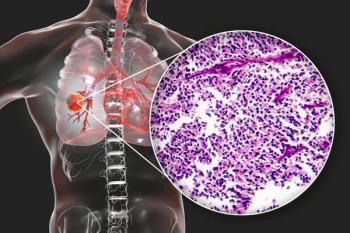
Adding Imdelltra to Imfinzi maintenance helped people with extensive-stage small cell lung cancer live a median of 21.1 months vs. 12.7 months with Imfinzi alone in the phase 3 DeLLphi-305 trial.
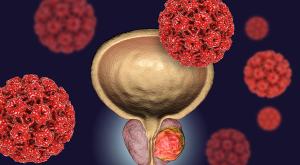
The FDA approved Talzenna plus Xtandi for adults with HRR-mutated metastatic prostate cancer that has not been treated with, or is still responding to, androgen pathway drugs.

Two federal laws, the Family and Medical Leave Act and the Americans with Disabilities Act, can protect people with cancer and their caregivers at work. Here is who qualifies, what each law covers and how to ask for leave or changes at wor

Among more than 12,000 cancer survivors 65 and older, those who stayed physically active after diagnosis tended to have lower health care costs, an American Cancer Society study published Oct. 21, 2026, in CANCER found.
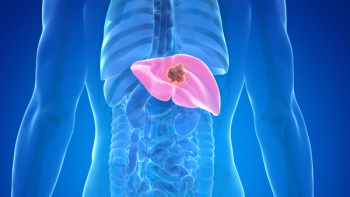
Learn why hepatitis B can reactivate during cancer treatment, which therapies increase the risk and how antiviral medicines can help protect liver health.

The FDA has cleared TumorSight Risk, software that uses a patient's existing breast MRI, pathology and clinical information to estimate the chance that early HR-positive, HER2-negative breast cancer will come back within five and 10 years.

U.S. counties where more residents had medical debt in collections had higher rates of late-stage lung, head and neck, colorectal and several other cancers, according to a study of 2,958 counties published in October 2026 in JAMA Network Open.

Since September 2024, every U.S. mammogram report must tell patients whether their breast tissue is dense. Here is what that notice means, why it matters and what to ask your care team.

The FDA flagged potential safety signals for colitis with Ibrance, Kisqali and Verzenio, and heart inflammation with melanoma drugs. No causal link is confirmed.
The 2026 cancer report found U.S. cancer death rates continued to fall from 2019 to 2023, largely due to lung cancer progress, while diagnoses rose slightly among women.

Medicare's cap on out-of-pocket drug costs has made cancer pills more affordable, but premiums, formularies and prior authorization rules still vary widely. Here's a checklist.
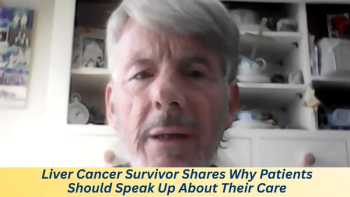
After two cancer diagnoses and major surgery, a liver cancer survivor shares why asking questions, exploring treatment options and advocating for your care matter.

A study of 39,184 people with solid tumors, published Oct. 8, 2026, found that about 1 in 6 had an inherited genetic change that increased their cancer risk. Testing only people under 50 would have missed 72% of those with these changes.
Updated NCCN guidelines for mantle cell lymphoma favor BTK inhibitor pills in first treatment and say people with no detectable lymphoma after treatment can skip a stem cell transplant.

In the phase 3 ASAC trial, daily aspirin did not lower the risk of colorectal cancer returning after treatment for liver metastases, and serious side effects were more common.

The FDA withdrew Zepzelca’s accelerated approval for small cell lung cancer after the LAGOON trial failed to show longer survival. Its maintenance use with Tecentriq is unaffected.

The FDA has approved Pixclara, the first FET-PET imaging agent for glioma in the U.S. Here's what it does, how accurate it is and why it matters for anyone waiting on an MRI result.
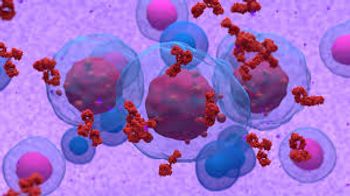
Six-year PERSEUS results show 81% of newly diagnosed, transplant-eligible myeloma patients had no cancer progression, with many stopping Darzalex.

A phase 3 trial found that adding Imdelltra to Imfinzi maintenance improved survival in extensive-stage small cell lung cancer, while another drug's application was pulled. Here's what patients should know.

Five-year results presented at ASTRO 2026 show a five-week radiation schedule after prostatectomy controls cancer as well as a seven-week course. But serious urinary side effects were more common.

A study of more than 17,000 patients ages 23 to 64, presented at ASTRO 2026, found that only about 28% took endocrine therapy consistently for five years, and people who skipped radiation were more likely to fall off. Here's what to weigh before making that choice.

September brought new options for breast, lung, kidney, bile duct, skin and neuroendocrine cancers, plus a brain tumor scan and easier lung cancer treatment.

Breast cancer treatment has changed dramatically since 2021. Here are the key FDA approvals, year by year, and what they mean for patients.
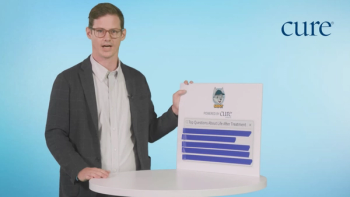
Learn how to cope with life after cancer treatment with Dr. Eric Bengtsen, a psycho-oncology psychiatrist at Memorial Sloan Kettering Cancer Center.
Published: September 9th 2026 | Updated: October 21st 2026


