
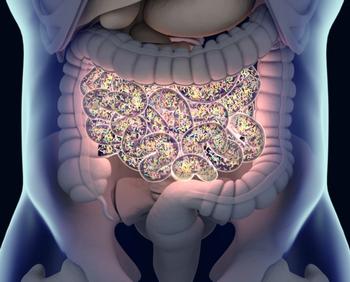
The overgrowth of fungi could cause the immune system to stop fighting cancer, according to a study.

Antonia DePace, Editor for CURE®, has covered medical news for MJH Life Sciences, CURE®’s parent company, since 2021. She has written for EatingWell, Natural Awakenings Greater Boston, The Boston Globe and a variety of other lifestyle publications. She attended Emerson College, where she studied journalism and publishing. Antonia enjoys traveling, cooking, yoga and all things health and wellness. Follow her on Instagram @antonialdepace or email her at adepace@curetoday.com
The overgrowth of fungi could cause the immune system to stop fighting cancer, according to a study.

A retired New York City firefighter recalls his return to the city he once served for more than three decades on the day prior to the 9/11 terrorist attacks and all that followed, including his several bouts with lung cancer years after the dust had settled.

Paying more attention to wellness could help both physical and mental facets for patients with MPN.

Cancer survivors were less likely to use marijuana than their counterparts who never had cancer, according to recent research.

Moderate-to-vigorous exercise before and during chemotherapy for breast cancer may help with cancer-related cognitive decline, highlighting the importance of physical activity throughout treatment.

The FDA approval of Tibsovo marks the first targeted therapy for patients with this liver cancer subtype.

More focus is needed on increasing lung cancer screening for patients, especially in those who are eligible for it according to their smoking history.

A recent webinar from the Lymphoma Research Foundation gave important advice for caregivers, including the importance of taking care of oneself.

Aprepitant, palonosetron and dexamethasone curbed chemotherapy-induced nausea and vomiting in certain women with gastrointestinal cancers who were receiving FOLFIRI or FOLFOX regimens.

New advancements in the staging process for lung cancer are leading to faster recoveries and better diagnoses.

Women who receive a score about their genetic risk for breast cancer may not be as anxious or stressed about their results, although women with higher genetic scores may display some of these emotions.

Women with breast cancer may benefit from statin therapy after diagnosis, but more research is needed, one study reported.

Surgery for malignant pleural mesothelioma after radiotherapy may increase overall survival rates, according to a study. However, study authors note that the procedure should only be adopted in centers with substantial surgical experience.

The bacteria in a patient’s gut could be linked to side effects from combined checkpoint inhibitors in patients with melanoma.

The potential for a measles and mumps outbreak in the United States may be life threatening for patients with cancer who are immunocompromised.

On behalf of Hope for Stomach Cancer, Dr. Yanghee Woo speaks with CURE® about risk factors for gastric cancer and the alarming rise in cases in young adults.

Children with cancer who carry the specific genetic variant may be at a three times increased risk of developing cisplatin-induced hearing loss compared to those who do not.

In his new memoir, a patient with central nervous system lymphoma emphasizes the importance of a positive mindset and a strong support system.

After receiving a diagnosis of stage 3 sarcoma, one survivor proves that anything is possible.

Lifestyle exposures may be interconnected to the increase in early onset colorectal cancer cases.

Maintaining health before and after a diagnosis of myeloproliferative neoplasms could help patients as they undergo treatment.

An online tool developed by oncologists for this rare diagnosis individualizes survival estimates, resulting in candid discussions and better decision-making.

Study findings from China show that a new treatment option improves survival outcomes in nasopharyngeal carcinoma, but can U.S. populations expect similar results?

Post-menopausal women may be at an increased risk for kidney cancer if they are diagnosed with type 2 diabetes.

Smoking cigarettes could lead to a four-fold increased risk of recurrence in patients with a previous diagnosis of non-muscle invasive bladder cancer.

The risk for under- or over-treatment for kidney cancer may be higher in women, in addition to Black and Hispanic patients.

One expert talks the benefits of excising in surgical management, as well as what to expect after.

Parents who receive a diagnosis of cancer are often faced with the trials of prioritizing themselves over their children, causing stress, burnout and disruption in cancer care.

Topical treatments may lead to little to no scarring in patients with surface-level skin cancer, but patient characteristics, time of year, tumor characteristics and cost determine course of action.

One expert tells patients to ‘hang tight’ as immunotherapy options are getting better each year.