
New treatments for acute lymphoblastic leukemia may lead to fewer side effects than chemotherapy, as they target cancer cells more precisely, an expert said.

Spencer, Assistant Editor of CURE®, has been with MJH Life Sciences since 2024. A graduate of Rowan University with a bachelor's degree in health communication, Spencer manages CURE's Facebook, Instagram and YouTube. He also enjoys spending time with family and friends, hiking, playing guitar and rock climbing.
New treatments for acute lymphoblastic leukemia may lead to fewer side effects than chemotherapy, as they target cancer cells more precisely, an expert said.
Treatment with Columvi showed a manageable safety profile in heavily pre-treated patients with relapsed or refractory mantle cell lymphoma.

The advantages and disadvantages of CAR-T cell therapy should be carefully thought about for patients with melanoma.

An expert told CURE that Trodelvy's side effects, such as neutropenia and fatigue, can often be managed through dose adjustments.

Ponsegromab helped patients with cachexia and elevated GDF-15 levels gain weight, increase activity and improve cachexia symptoms, with manageable safety.
The combination of Bavencio and gemcitabine showed promising efficacy and safety in certain patients with advanced leiomyosarcoma.

Keytruda in early-stage triple-negative breast cancer led to immune-related adverse effects, including severe GI issues and endocrinopathies.

Induction chemotherapy shows significant improvements for survival in patients with locally advanced cervical cancer.

Chemotherapy for three months demonstrates lower side effects, suggesting its use as standard care compared with six months.

Perioperative chemoimmunotherapy for resectable non-small cell lung cancer (NSCLC) shows promising long-term benefits with minimal side effects.

Patients with resected stage 3 or 4 melanoma treated with immune-oncology agents demonstrated significantly higher cure rates compared to those treated with placebo.

Treatment containing Recentin demonstrated clinical benefits, but it proves worse than the current standard care treatment.
Stivarga improved survival and delayed disease progression in patients with refractory advanced gastric and esophagogastric junction cancer.

Trodelvy shows effectiveness in real-world breast cancer treatment, even after receiving Enhertu therapy.

Patients with TNBC and HR+/HER2- breast cancer demonstrated safe treatment with preoperative radiation therapy with Keytruda.

The risk of cardiovascular disease is elevated in cancer survivors, regardless of treatment, and is influenced by cancer type and treatment-related factors.
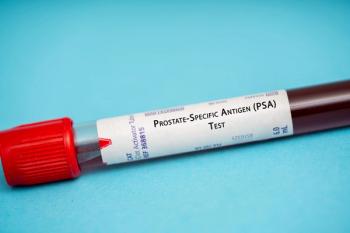
The rate at which PSA rises after hormonal therapy for prostate cancer is a key factor in determining the effectiveness of the treatment.
Aspirin did not impact CVD incidence; however, risk may be higher in those with metastatic, hematological and lung cancer and following chemotherapy.
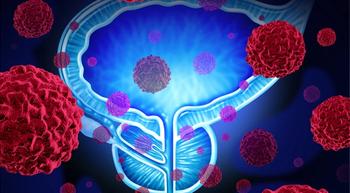
TULSA is a targeted prostate cancer treatment that uses ultrasound to destroy tumors while preserving healthy tissue.
The drug combined with chemotherapy demonstrated a 60% increase in progression-free survival, suggesting signs of an FDA approval.

For a subset of patients with inoperable or metastatic HR-positive/HER2-negative breast cancer, treatment with datopotamab deruxtecan improved progression-free survival.

Lazcluze demonstrated significant CNS activity, regardless of T790M status, in treating intracranial and leptomeningeal metastases in patients with EGFR-variant NSCLC.

For patients with metastatic colorectal cancer, adding a higher dose proves just as effective as the standard dose of vitamin D3, despite one exception.

Patients with muscle-invasive bladder cancer experienced safe medical and surgical treatment with the NURE-combo.
Patients with soft tissue sarcomas showed improved functional results, quality of life and fewer side effects when treated with RT-therapy.

Patients with stage 4 non-small cell lung cancer may derive an equal benefit with a lower dose of Keytruda versus the standard dose.

When given commonly asked questions regarding breast cancer, ChatGPT’s answers were incorrect a quarter of the time and often provided fake references.

CAR-T cell therapies administered in an outpatient setting may be safe and feasible without intensive remote monitoring in hematologic malignancies.
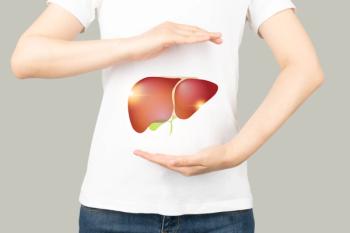
Steatotic liver disease was associated with better liver function, lower recurrence rates, and improved overall survival in patients with liver cancer who received radiofrequency ablation.
Trodelvy in locally advanced or metastatic urothelial cancer may provide another option for those whose disease progressed after checkpoint inhibitors.