

Pelvic health therapist Dr. Alison Ankiewicz helps women manage pain, intimacy issues and bladder or bowel problems that can follow cancer treatment.

Spencer, Assistant Editor of CURE®, has been with MJH Life Sciences since 2024. A graduate of Rowan University with a bachelor's degree in health communication, Spencer manages CURE's Facebook, Instagram and YouTube. He also enjoys spending time with family and friends, hiking, playing guitar and rock climbing.
Pelvic health therapist Dr. Alison Ankiewicz helps women manage pain, intimacy issues and bladder or bowel problems that can follow cancer treatment.
Dr. Evan Garfein discussed OnPlant, a 3D breast model, and stressed timely reconstructive care for all patients during Breast Cancer Awareness Month.
Sarcoma is a rare cancer of connective tissues that requires specialized diagnosis and care tailored to tumor type, stage, and patient needs.

The FDA granted fast track status to ADCE-D01, a targeted drug in early trials for soft tissue sarcoma, to speed development and review.

Dr. Vishal Patel explains what Libtayo’s FDA approval means for patients with high-risk cutaneous squamous cell carcinoma.
Dr. Patrick J. Hensley explains non-muscle invasive bladder cancer, bladder-preserving treatments, trial eligibility, novel therapies and research priorities for patients.
The FDA granted fast track status to UB-VV111 for patients with relapsed or refractory large B-cell lymphoma or chronic lymphocytic leukemia.

After Barbara Tatham’s passing from metastatic sarcoma, her sister and friend completed her memoir, highlighting caregiving, resilience and family support.
The FDA granted orphan drug designation to cintredekin besudotox for glioblastoma, supporting further research for this aggressive brain cancer.
A biologics license application for PVEK has been submitted to the FDA for blastic plasmacytoid dendritic cell neoplasm, a rare blood cancer.

September’s top gastrointestinal cancer news covered long-term Gleevec results for GIST, a pancreatic cancer vaccine and FDA designations.
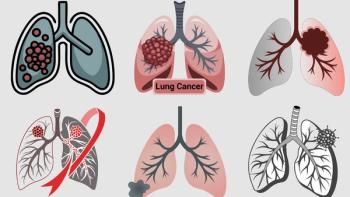
Lung cancer can be overwhelming, but learning about types, stages, treatments and support can help patients feel more prepared for their care journey.

The FDA approved Guardant360 CDx to identify adults with ESR1-mutated, ER-positive, HER2-negative breast cancer eligible for treatment with Inluriyo.
In September 2025, the FDA approved new treatments for breast, bladder and prostate cancers, plus biosimilars and a subcutaneous immunotherapy option.

Adding Tecentriq to chemoradiation improved quality of life and supported twice-daily radiation for patients with limited-stage small cell lung cancer.
Penn Medicine researchers found two oral drugs eliminated dormant breast cancer cells in most patients, with relapse rates dropping to about 4% after seven years.

Adrenal cancer is rare, but surgery, medicines, chemotherapy and clinical trials can help patients based on stage, spread and overall health.

Inluriyo, an oral therapy for ER+, HER2– metastatic breast cancer with ESR1 mutations, offers a new treatment option after prior endocrine therapy.
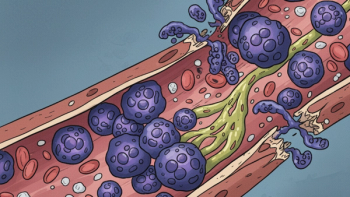
A study found that iberdomide with Darzalex and dexamethasone helped more patients with multiple myeloma reach no signs of cancer after treatment.

The FDA grants fast track status to alnodesertib plus low-dose irinotecan for third-line metastatic colorectal cancer with ATM deficiency.
Dr. Christina Cho explains that a strong transplant program provides advanced treatments along with a supportive team for patients with blood cancers.
Tecvayli and Darzalex demonstrated meaningful clinical efficacy in transplant-eligible patients with newly diagnosed multiple myeloma.

Molecular testing helps distinguish kidney cancer subtypes, ensuring patients get accurate diagnoses and treatment plans, avoiding unnecessary surgery.

Giredestrant plus Afinitor improved survival without progression in ER-positive advanced breast cancer.

Learn how myelodysplastic syndrome treatment has advanced with targeted therapies and anemia management while balancing quality of life for patients.

A guide for patients to understand HER2-positive breast cancer, treatment options by stage and how to talk with your oncologist.
The FDA granted orphan drug designation to ligufalimab for AML, reflecting its potential as an immune-based therapy that may offer new options for patients.

Early trial results report progression-free survival and response rates for ateganosine, spevatamig, Annamycin and pumitamig; studies are currently enrolling.
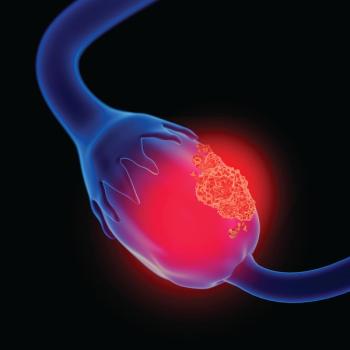
The FDA granted breakthrough therapy designation to R-DXd for adults with CDH6-expressing platinum-resistant ovarian, peritoneal or fallopian tube cancers.
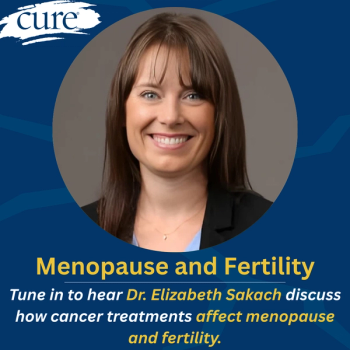
Chemotherapy can trigger early menopause, while strategies and new data on pausing therapy may help women protect fertility and plan pregnancy.