

Sometimes you just need to be present, whether that means being in the room or a phone call away.
Sometimes you just need to be present, whether that means being in the room or a phone call away.
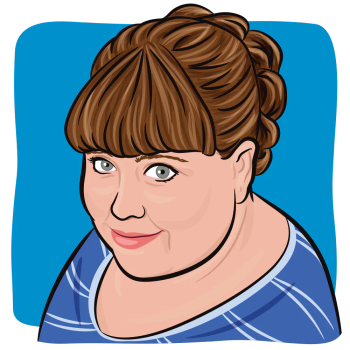
My 5-year mark prompted me to reflect on my entire experience…and how far I have come.

Being there for someone who is in need does more than you think.
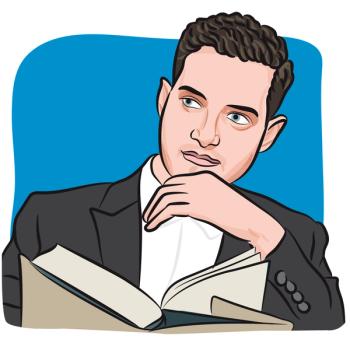
There were so many opinions on my healing after cancer.

Somehow, despite our best intentions and efforts, life throws us curveballs.
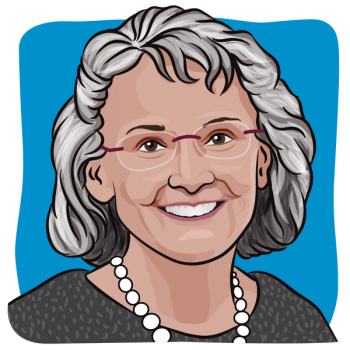
People-watching is one of my favorite activities.

We’ve all heard the jokes about hospital food.

Never underestimate your value to a person who has just been diagnosed. Isn’t that what these blogs are all about anyway?
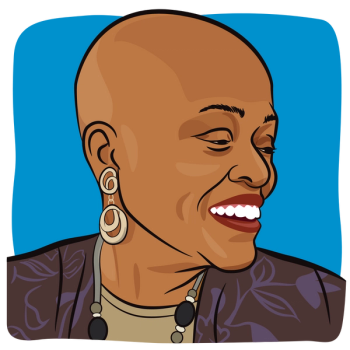
In one of my favorite movies featuring Brad Pitt, the actor plays the role of Death, who comes to earth in human form.

I embarked on my journey as a patient advocate for individuals with hereditary cancer syndromes after experiencing the underestimated consequences of prophylactic measures meant to prevent gynecological cancers.

A local art exhibit allowed expressive creativity on a unique canvas to raise breast cancer awareness.
I’ve been having a wonderful (well…maybe challenging is the right word) growing season this past year, learning how to be a better collaborator.
Each October, we’re surrounded by the color pink as breast cancer awareness month gets into full swing. It can be a challenging time for many, but also a time of celebration.
When mentioning “breast cancer” in a story about my college experience is not allowed, I considered alternatives to the medical term that describes my situation best.

I knew virtually nothing about cancer until I became a caregiver for my aunt Carolyn, who died of colorectal cancer in 2000.
Battling the unforgiving foe: Cancer.
Summer came to an end after my cancer diagnosis.
Back 50 years or so ago, people didn’t discuss cancer freely. Today, things have changed.

This is how I accepted that I am running out of time and options.
The very first blog I ever wrote for CURE asked the question, “Why me?”
Trust me, I made the mistake of blaming every symptom on my cancer.
October brings many mixed emotions to mind as a breast cancer survivor.
The highs, lows and a courageous decision that changed everything.
Living with stage 4 cancer begs reflection. Have I lived my life with purpose? How will I be remembered? Did I do all I wanted to do?
Rachelle’s unexpected departure reminded me I need to express my appreciation to these special, beloved providers now.
Nine years of Pinktober while living with metastatic breast cancer.
With National Hereditary Cancer Week and National Previvor Day coming up at the end of the month, I sat down to write something about cancer advocacy and being the parent of a previvor.
If I could turn back time and speak to my newly diagnosed self, here's what I'd say!
After cancer and chemo, I tell myself all the time that nothing matters more than your health.
Although I know I am not a scientist, and understand my cancer may take a lifetime, I contemplate why I ended up with too many copies of the HER2 gene.