
Music can help people tolerate and distract from emotional and physiological pain while going through cancer treatments and scans.
Music can help people tolerate and distract from emotional and physiological pain while going through cancer treatments and scans.
Breast cancer links to weight, diet and exercise are all over the news, but remember this: You are not to blame.
Don't sweat the small stuff, but don't miss those simple moments either.
It is difficult to be patient, but cancer is a powerful teacher.
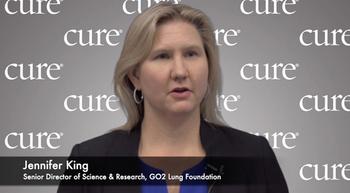
Studies show that the social stigma can actually affect a patient’s level of care and lead to worse health outcomes.
Developing the skill of listening takes practice and for those with cancer, it's important to be heard. In this post, learn how one survivor helped others learn how to listen.

These weekly recipes, created by oncology dieticians from the John Theurer Cancer Center, offer benefits to those living with cancer and going through treatment.
Creating more personal time tops the list of goals many people want to accomplish. With work time, partner or family time and social time all demanding our attention, we are constantly juggling our day-to-day responsibilities. “Me-time” allows us to de-stress, unwind and rejuvenate. Taking time for yourself allows you to renew, heal and create reserves of energy and peace.
Cancer can bring about post-traumatic stress disorder that can linger for many years in both survivors of childhood cancer and their parents.
Cancer doesn’t discriminate. It doesn’t care what race, gender, ethnicity, sexuality or even age you are. It takes no prisoners. And it certainly did not take me. I continue to remain resilient despite what I’ve been through and despite what still may be on the horizon.

Here are the top 5 CURE stories for June 2019.
It’s easy for a person with breast cancer to feel overwhelmed by the many thoughts that enter the mind each day but there are techniques that can prove helpful. One survivor shares some of her own helpful tips.

Techniques, such as stop, shift and stabilize, may help cancer survivors avoid stressful exchanges with coworkers, according to one expert.
Why this breast cancer survivor thinks more oncologists should be listening carefully to patients on social media.
How to respond to others that pull away after the cancer diagnosis.
Don't let anyone else decide how you choose to celebrate any post-cancer milestones.
Cancer is a huge, life-changing event for a family and the power of the experience in a young person’s life should not be underestimated. What is a semester at college compared to the learning and self-understanding that comes from being with your family in such a stressful time?
Many survivors face times of worry and anxiety. An upcoming appointment, a scan, a new lump, bump or spot can all be triggers for feeling intense anxiety. Here are three simple tools from a fellow survivor to help cope in those times.
Mindfulness and meditation for the masses. What does this mean to those of us with a life-threatening disease?
As a cancer survivor, I am always on my toes.
Should patients be given a choice on how they wish to receive bad news? One survivor seems to think so.
How the company of a puppy provided the right amount of post-trauma comfort to help navigate in a post-cancer world.
Breast cancer was one of the best things that ever happened to me – and I never want it again. Now I am cancer-free and living a more fulfilling life than before the illness. Here are 10 insights and experiences from my cancer journey that continue to sustain me professionally and personally.
The remarks posted by patients with cancer on the Internet can be skewed. Here are four tips to keep in mind when researching your condition and treatment options.
Just as we tell the person that we love enduring cancer that they are not alone, as caregivers, neither are we.

Jennifer King, from the GO2 Foundation for Lung Cancer, discussed what patients can do to help address the stigma associated with lung cancer.
Evading the cancer issue is much easier.
In some cases, choosing the mundane can be life-giving, help salve emotional hurts and anchor our lives.
Faith can be a tricky thing when you are dealing with cancer.
There is value in information being shared from survivor to survivor. Many health issues may be common, but you can feel alone if you are not aware of them. A well-moderated online support group may be a great place to gain knowledge and comfort.