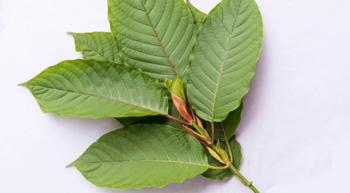
Is this relative of the coffee plant a safer alternative to opioids or a dangerous, unregulated drug?
Is this relative of the coffee plant a safer alternative to opioids or a dangerous, unregulated drug?

Despite scant research regarding medical use of cannabis, strong popular sentiment is driving legalization of the flowering plant for therapeutic use.

In this issue of CURE®, we tackle the controversial topic of medical cannabis.
Breast cancer survivors may find symptom relief through at-home acupressure, according to study findings.
More and more patients are being offered palliative, or supportive, care, and this is a welcomed trend.
In a follow-up post, one survivor explores the use of CBD products and shares how they've helped manage her post-cancer pain.
Patients speak up on the rarely discussed side effects of gynecologic cancers.
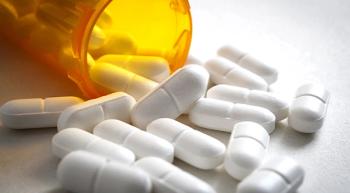
Many patients suffer from chronic pain, making opioids essential for care.
"We hope these thoughts on the prevention of, and awareness about, GI cancers and their side effects will be helpful to patients, survivors and caregivers alike," says CEO and Chairman Mike Hennessy, Sr.
Anemia is so intertwined with cancer that every current patient and survivor should know about it.
Breast cancer treatment is a life-saver but also can have side effects, including some related to shoulder pain. It is good to start doing the exercises as soon as the doctor recommends it. After that, a regular tune-up with a physical therapist can help.
Can medical grade marijuana and CBD help with residual pain after a cancer diagnosis, and why is it so scary for a survivor to ask for it?
Hot flashes, fatigue and other symptoms related to cancer may be improved through acupunc­ture.

Here are the top 5 CURE stories for February 2019.
A new app aims to alleviate the can­cer-related fatigue that plagues many patients and survivors and improve their quality of life.
How physical therapy restored this cancer survivor's quality of life.
I am thrilled to be enjoying a respite from chemo but afraid to be happy. How can I process this scary new freedom?

My animals have taught me how to accept aging and managing the side-effects of chemo with dignity, as well as how to enjoy naps without feeling guilty.
I vaguely knew what lymphedema was, and assumed it was something that only happened to breast cancer patients. But you know what they say about making assumptions.
Lymphedema can occur years after cancer, but exercise and lymphatic massages can help relieve symptoms.

One expert discusses how cancer and its treatments can have many lasting side effects on patients, from depression to peripheral neuropathy.
I keep fumbling and dropping lids to water bottles and other items. When I climb the stairs to my apartment, I often feel like I am going to fall backwards and grab the rail. If I go out in the cold air, my fingers tingle for hours afterwards. What in the world is wrong with me?

Loneliness may play a key role in an individual’s social constraints following a cancer diagnosis and its treatment, which in turn, may worsen symptom burden, according to recent research.
I am a person who always was able to sleep and would generally be out before my head ever hit the pillow. Now I found myself tossing and turning for hours at a time.
Winter can aggravate this chemotherapy side effect that causes hands and feet to feel numb, tingly and painful.
Treatment side effects are typically manageable for patients with metastatic kidney cancer, but patients must have open communication with their health care team about them.
Limbs affected by lymphedema require specialized care, but during months where temperatures can be extreme, a little extra effort is necessary.

The Food and Drug Administration has approved Nplate for pediatric patients 1 year of age and older with immune thrombocytopenia who have had an insufficient response to medications, such as corticosteroids,or surgery to remove the spleen.

A retrospective study found that clinical trials may have fewer reported side effects than the real world.

A smartphone app helped significantly reduce pain and hospital visits for patients with metastatic solid tumors.