
A cancer survivor dedicates two spirited poems to living 12 years post-cancer.
A cancer survivor dedicates two spirited poems to living 12 years post-cancer.
An expert from Mount Sinai shares his account of Sept. 11, 2001, and describes how the toxins released as a result of the attacks have long-term health impacts.

Cancer survivors were less likely to use marijuana than their counterparts who never had cancer, according to recent research.

A previvor analyzes the similarities and overlaps between living with Lynch syndrome and a BRCA mutation.

A cancer survivor expresses the frustration of constantly worrying about protecting her health in a dangerous world.
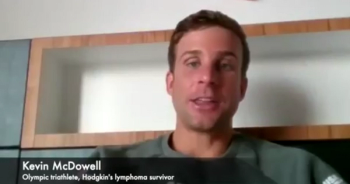
Olympic triathlete Kevin McDowell explains how certain aspects of surviving cancer and training for the Olympics became intertwined throughout his journey.
A patient with pancreatic cancer discusses how far words of kindness can go to individuals dealing with pain and suffering.

“I like to think the people of Bodie counted every day and made every day count, as hard as their lives were, reminding me to do the same,” writes a woman with metastatic breast cancer about her visit to Bodie State Historic Park.

Fitting at least one relaxing, positive moment into your schedule each day has the potential to improve your overall well-being, explains one cancer survivor.

A survivor describes the small joys in life and how she avoids letting cancer get in the way.

Patients with breast cancer are advised to get regular sleep, exercise often, stay hydrated and eat healthy and nutritious foods to prevent “highly debilitating” headaches, according to an expert from Stanford University School of Medicine.
“When I walk into the doctor’s office and the question is asked ‘What are you coming in for today?’ My answer is ‘survivorship,’” writes a four-time cancer survivor about the difficulties of living with a history of complex health issues.

There’s been joy in the journey, along with the drugs, the endless waiting in chilly waiting rooms, the lab work, shaving my head twice, the CT scans every three months and the steady hum of anxiety in my brain. The time with my husband, kids and grandkids has made it worth every minute of cancer treatment. Bring it on, cancer.
While it is normal for parents of childhood cancer survivors to experience anxiety and depression related to the fear of disease progression, parents are encouraged to seek help to ensure that the fear or progression doesn’t lead to debilitating consequences, according to an expert at Children’s Hospital of Philadelphia.
How is the COVID-19 pandemic similar to cancer? A survivor of pancreatic cancer shares his viewpoint.
A cancer survivor describes the mixed emotions she feels while in remission.

A four-time cancer survivor shares the advice her father gave her as a young child during her first journey with cancer. The words he uttered made her shift how she has looked at life.

A woman writes about how being labeled a ‘cancer patient’ gives her a feeling of lost identity.

A breast cancer survivor lists 5 steps that she will take to get her health back on track.

A survivor makes a comparison between cancer and a game. "Our bodies are the box the game comes in. How we deal with our cancer is the game we play," she writes.
A cancer survivor writes about the ever-changing waves of grief.

“Each of us has our own way of marking what cancer brings to our lives, sometimes in a simple three-letter word,” writes a woman with breast cancer.

A stage 2 breast cancer survivor uses poetry to reflect on her views about her changing body after a lumpectomy, chemotherapy and radiation.
A cancer survivor shares the valuable lessons she learned from the COVID-19 pandemic, almost six months after receiving her vaccination.
Where should you turn after receiving a cancer diagnosis? A cancer survivor offers advice on handling the difficulties of treatment.
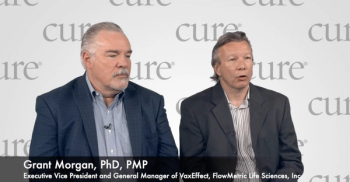
The vaccine immune response monitoring platform can identify weak responses in patients with cancer and help determine the potential need for a booster shot.

A cancer survivor describes how happy she was to return to the public swimming pool after getting her COVID-19 vaccine.
A stage 3 bowel cancer survivor who recently found out she was in remission writes a poem about maintaining her identity despite cancer.
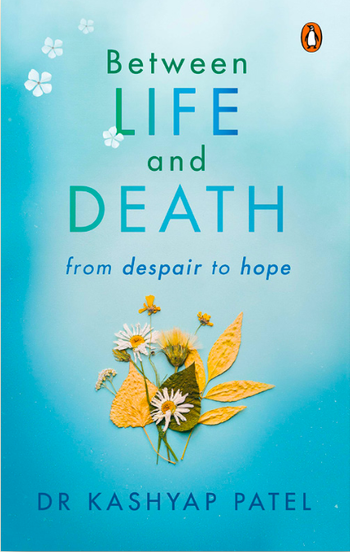
Patients and their caregivers can navigate a terminal cancer diagnosis while keeping dignity intact.
A woman in remission from her cancer ponders why the disease seemingly chooses to steal certain lives and spare others.