
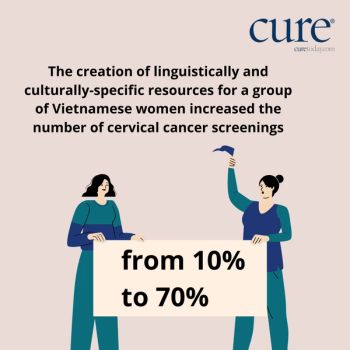
Culturally specific resources are needed to help fight against the stigmas Asian American cancer survivors and patients face, according to a group of experts.
Culturally specific resources are needed to help fight against the stigmas Asian American cancer survivors and patients face, according to a group of experts.

In less than a year, Christine Whelchel went from receiving a diagnosis of breast cancer to becoming a trailblazing “Jeopardy!” champion.

Findings from several studies have shown that childhood cancer survivors often stop attending much needed follow-up visits in the years following treatment.

Post-cancer depression sometimes makes me feel like I’m being run over by a bus, but here’s some advice on how to let it pass by.

Many patients with cancer who have limited financial resources or high insurance co-pays have started to use crowdfunding campaigns to pay for the daunting bills associated with their treatment and subsequent care.
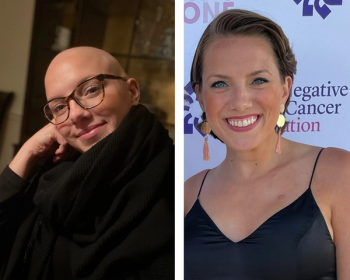
People are always shocked when I tell them I am a breast cancer survivor, highlighting the need to discuss the fact that people under the age of 40 can be diagnosed, too.
The best advocate for a patient with cancer is someone who knows exactly what they're going through, noted a multiple myeloma survivor.
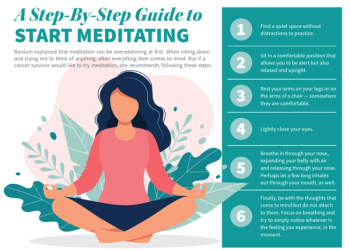
As part of its Heal at Home series, CURE® collaborated with a clinical health psychologist at the University of Hawaii Cancer Center to provide cancer survivors an easy-to-understand guide to start meditating.

Seeing a friend meet up for a business meeting made me miss my fast-paced life before cancer, but reminded me to trust the process of where I am now.

Although much has changed in the past two decades, more needs to be done to prepare cancer survivors for what happens after their treatments end.

Unreliable public transportation or limited access to a working vehicle may lead to delays in important follow-up care for cancer survivors.
Although there is little relief available to cancer survivors experiencing neuropathy, hope may be on the horizon.
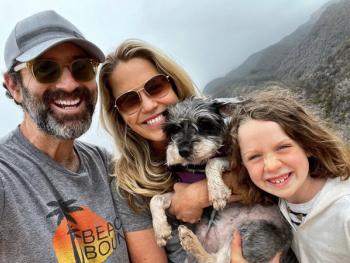
Actress and comedian Jessica St. Clair and her husband, Dan O’Brien, share their roles of partner and parent, but also patient and cancer caregiver, as their roles were reversed in the blink of an eye.

I was approached with the opportunity to ghostwrite for an author who was writing about his cancer journey. I’m still baffled by the timing, but that experience shifted into my eventual cancer journey.

I was told that I would miscarry my pregnancy, but continued to feel more pregnant, leading to my molar pregnancy diagnosis — a condition I’ve never heard of before.

When you put your feelings out there in cancer support groups — be it in-person or virtual — you’re opening your ideas up to others’ interpretation, and some might not like what you have to say.

After being diagnosed with colorectal cancer, my ostomy — which I named Toodles — opened up a world of body positivity for me.
As I go in for another cancer follow-up, I need to remind myself that what could happen is different from what would happen.

Discussing fertility risks and preservation options before starting cancer treatment can help patients feel empowered and have less regret in the future, explained a nurse practitioner.

I like to think that cancer advocates live the motto of the postal service, “Neither snow nor rain nor heat nor gloom of night stays these couriers from their swift completion of their appointed rounds.”

I was never a gambler … that is, until I was diagnosed with cancer.
Finding a swimsuit if you have not chosen reconstruction after breast cancer can be a challenge, but there are many ways to find what best works for you.
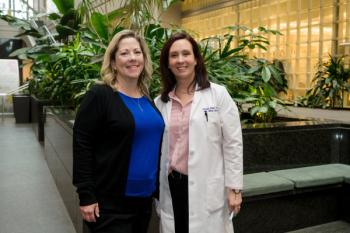
Every year, she helps coordinate fundraising for other lung cancer groups and research efforts. She is totally committed to the lung cancer community and her patients.
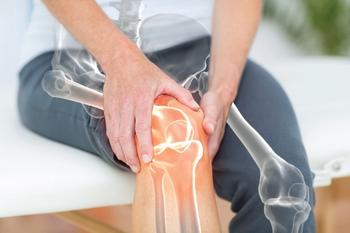
Researchers are set to launch a new study to examine the feasibility of using an in-home virtual reality-guided mindfulness program to mitigate the effects of chronic cancer-related pain in patients and cancer survivors.

When it comes to both COVID-19 precautions and life with cancer, I feel like I have to sacrifice some privacy to gain understanding from the people around me.
The cancer experience is far from over when scans turn up clear. Here’s how I deal with triggering reminders of the disease.
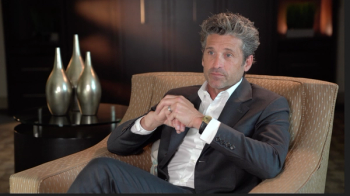
Mental wellbeing is more of a focus than ever before in cancer care, and while treatments continue to get better, there is still a long road ahead, according to Patrick Dempsey.
A recent injury reminded me that I could be dropped into the “cancer blender” at any time, though I should not focus on all the “what ifs.”

Cognitive behavioral therapy has been proven to improve insomnia in cancer survivors, but research is lacking in patients who are currently undergoing treatment or who have advanced disease.
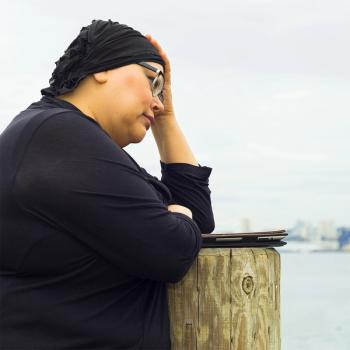
I can’t plan anything without planning time to rest. I literally have to schedule my whole day around when I can lie down to nap.