
A survivor of pancreatic cancer looks back on the day he received his diagnosis, and shares advice for others in the same shoes.
A survivor of pancreatic cancer looks back on the day he received his diagnosis, and shares advice for others in the same shoes.
Dealing with cancer at a young age can cause regular milestones to feel rushed or misplaced.

Celebrating “cancerversaries” is important to cancer survivors, but what happens when years pass, and the celebrations feel too good to be true? One survivor shares her story.
A cancer survivor confesses that he feels mislabeled by the words “fighter” and “warrior” when used in reference to his journey.
A cancer survivor describes how frustrating it can be to experience toxic positivity.
A cancer survivor shares tips for getting through dreaded follow-up appointments that may lead to anxiety.
A cancer survivor recalls the scary moment she experienced what she thought was a new life-threatening side effect.
A woman describes the scars that cancer and other life events have left her with.
A pancreatic cancer survivor describes the ways in which undergoing cancer treatment is comparable to summiting Mount Everest.
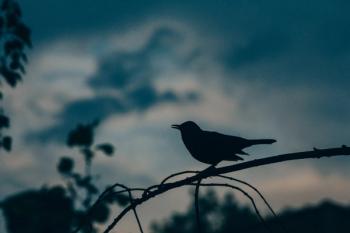
A breast cancer survivor writes a poem about a symbol of reassurance she saw while fatigued from cancer treatments.
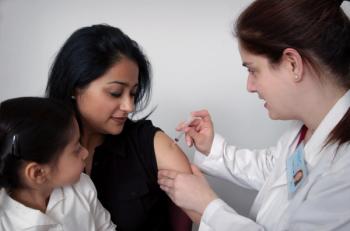
From the rapid vaccine development to heart risks and delaying immunization, we spoke with an infectious disease expert on common worries people have about getting the COVID-19 vaccine.

“Each person living with cancer has a story to tell, but some may choose not to share it because of its personal nature,” writes one survivor. In this piece, she describes how she found a way to give her story words.
A woman with metastatic breast cancer expresses her concerns about COVID-19 restrictions being lifted and shares an idea for those who are immunocompromised to indicate their health status.
A pancreatic cancer survivor explains what your priorities in life should truly be.
In an interview with CURE®, a survivor recounts how his experiences with cancer treatment in the 1960s, when he was treated in a segregated “colored” ward, have led him to a life of advocacy work.
“Hiking is a great activity for all of us, including cancer survivors,” writes a breast cancer survivor. “As long as we can put one foot in front of the other, being out on a trail is inspirational and health-affirming.”
A cancer survivor describes how hearing about a friend’s cancer diagnosis brings emotions to the surface.
A woman with metastatic breast cancer describes a recent zip lining adventure she took with her dad, who is a cancer survivor.

A breast cancer survivor writes about the benefits she has experienced from adaptive exercise, such as yoga.
A young cancer survivor describes the difficulty of seeing others in his age group living out their dreams.

A recent study found that among a substantial proportion of premenopausal women with breast cancer, endocrine therapy decisions and fertility concerns are interwoven.

A cancer survivor explains how she applies the meaning of a book quote to life with cancer.

Adolescent and young adult cancer survivors were more likely to misuse substances including drugs and alcohol compared with their peers without a history of cancer, which may be a result of overprescribing from doctors or inefficient pain management.
Factors such as race, smoking, longer survival time and treatment may affect the voice and speech production of survivors of oropharyngeal cancer.
A survivor of multiple cancers over the span of 27 years expresses her feelings about her cancer journey through a poem.
A cancer survivor explains how she finds time to be productive while dealing with exhaustion.
A pancreatic cancer survivor shares how he copes with the never-ending fear of cancer taking his life.
A cancer survivor explains how she prevents an overwhelming and exhausting amount of doctor appointments from spoiling her appreciation for life.
"Some experiences we have as cancer survivors may help inspire those reluctant to get or complete COVID-19 vaccinations to follow through. We are all role models for each other."

Cancer survivors have the responsibility of sharing their knowledge of living in the world of cancer with the newly diagnosed, writes one survivor. Here, she shares ways to offer help.