







In the LEAP-015 trial, Keytruda and Lenvima plus chemo did not meet the primary end point of overall survival in HER2– gastroesophageal adenocarcinoma.
In the LEAP-015 trial, Keytruda and Lenvima plus chemo did not meet the primary end point of overall survival in HER2– gastroesophageal adenocarcinoma.

Galinpepimut-S therapy showed specific T-Cell immune responses for patients with acute myeloid leukemia in remission following second-line salvage therapy.

In the INNOVATION trial, adding Herceptin and Perjeta to chemotherapy increased toxicity in patients with HER2-positive gastric cancers.

After living with metastatic breast cancer for 11 years, I reflect on my journey and plan to embrace the coming year with confidence and self-advocacy.

Dr. David A. Braun delved into the molecular factors which drive exceptional responses to immunotherapy in metastatic clear cell renal cell carcinoma.

Among patients with advanced PIK3CA-mutated, HR-positive/HER2-negative breast cancer, Itovebi-based treatment generated positive overall survival results.
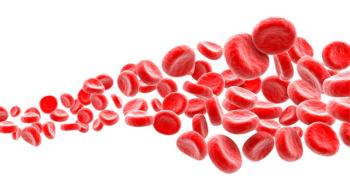
The first patient has been dosed in a phase 1 dose-finding clinical trial evaluating iadademstat with Vidaza in patients with myelodysplastic syndrome.

The combination of Opdivo and Yervoy is supported by updated results as a standard of care for MSI-H or dMMR metastatic colorectal cancer.

Having a life-threatening disease reminds me daily to make the most of whatever time I have.

Dr. Anna Arthur discusses the NOURISH trial, which aims to address food insecurity and malnutrition in patients with blood cancers undergoing treatment.
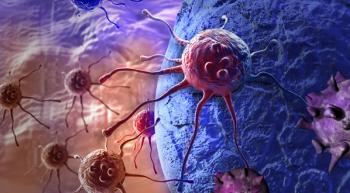
The FDA has accepted a priority review sNDA for Welireg in adults and pediatric patients with advanced or metastatic pheochromocytoma and paraganglioma.
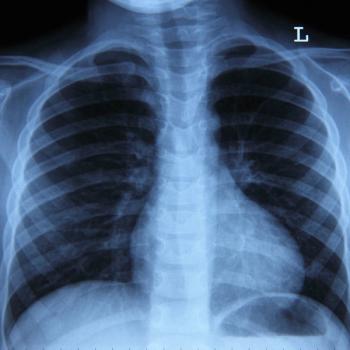
The first participant has been dosed on the phase 2 CONVERGE study evaluating NBTXR3 in stage III, unresectable non–small cell lung cancer.
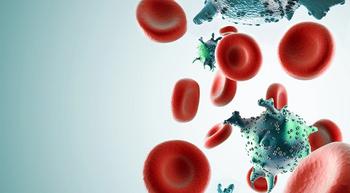
Brukinsa had a lower risk of disease progression or death versus Imbruvica, as well as a more favorable safety profile, in R/R CLL and SLL.

After a long and difficult journey, I finally published the book I set out to write as my legacy, overcoming cancer and the challenges of deafness.

In patients with RCC, exceptional response to immunotherapy may be related to clonal neoantigen-driven cytotoxic T-cell responses, among other factors.

Dr. Ritu Salani shared her advice for patients undergoing advanced treatment options for their cervical cancer who are experiencing side effects.
The antibody drug conjugate was approved for patients with unresectable or metastatic HER2-low or -ultralow breast cancer with disease progression after endocrine therapy.

End-of-life palliative care consultations may also ease financial strain for patients with esophageal cancer.

Dr. Anna Arthur discusses how the NOURISH trial is addressing food insecurity and malnutrition in patients undergoing treatment for their blood cancers.

Despite the initial shock and challenges, I found strength and support within the community of single parents.

Among those with advanced gastric cancer, oral Liporaxel showed superior overall survival outcomes versus IV Liporaxel as a second-line therapy.

Dr. Eric K. Singhi shares his insights into the advantages of the subcutaneous formulation of Opdivo versus the IV version for patients with solid tumors.
Synchronous metastases did not affect survival in resected BRAF V600E-mutated metastatic colorectal cancer.
Dr. Scott Kopetz discusses the BREAKWATER trial investigating Braftovi and Erbitux plus chemo in those with BRAF V600E+ metastatic colorectal cancer.

Neoadjuvant Keytruda for patients with deficient DNA mismatch repair colon cancer resulted in a pathological complete response rate of 44%.

Although ctDNA positivity generally meant worse disease-free survival in stage 3 resected colon cancer, patients with ctDNA who received Celebrex had significantly better rates versus placebo.
Dr. Susumu Hijioka spoke about the benefit of this combination therapy in patients with unresectable or recurrent GEP-NETs, particularly those with high Ki-67 scores.
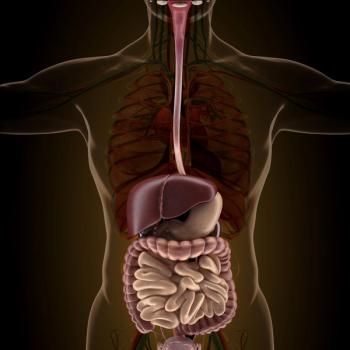
Among patients with resected gallbladder cancer, the addition of chemoradiation to chemotherapy treatment did not improve relapse-free survival.

Opdivo plus Yervoy shows efficacy and manageable safety as first-line treatment for unresectable hepatocellular carcinoma in the CheckMate 9DW study.

Aspirin use in patients with PI3K-mutated colorectal cancer helped to reduce disease recurrence, highlighting the importance of upfront genomic testing.