







As drugs are getting “better and better,” breast surgery could be omitted, potentially offering improved results for patients with some invasive breast cancers.
As drugs are getting “better and better,” breast surgery could be omitted, potentially offering improved results for patients with some invasive breast cancers.
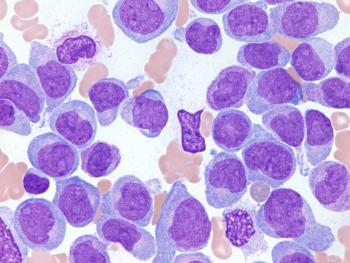
A new Phase 1B/2 trial treated patients with acute myeloid leukemia (AML) in a drug regimen combination of Annamycin and Ara-C.
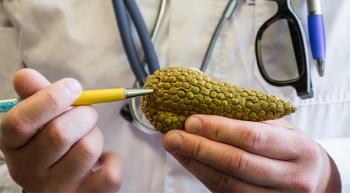
Onvansertib either alone or with standard of care many benefit patients with metastatic pancreatic ductal adenocarcinoma and those with pretreated SCLC.


The FDA granted fast track designation for a new inhibitor to treat patients with advanced or metastatic HR-positive, HER2-negative breast cancer.

Results from the phase 3 NAPOLI trial show survival benefits for patients with metastatic pancreatic ductal adenocarcinoma treated with Onivyde plus oxaliplatin, leucovorin and fluorouracil.

Each October, we’re surrounded by the color pink as breast cancer awareness month gets into full swing. It can be a challenging time for many, but also a time of celebration.
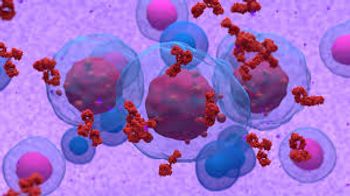
A new T-cell therapy showed benefits in patients with relapsed/refractory multiple myeloma.

Patients receiving Tecvayli for relapsed/refractory multiple myeloma had similar efficacy results and side effects, compared with another trial.

Oral microbiome “plays an important role” in patterns of oral mucositis, an after-effect experienced by nearly all patients with head and neck cancer treated with chemotherapy and radiotherapy.

For Maggie Cambora, who received a diagnosis of acute myeloid leukemia in 2020, the third potential donor match was the connection that saved her life, she told CURE®.

COVID is unpredictable and scary, much like cancer.

As Len Goodman’s cause of death was announced and LSU defenseman Greg Brooks announces rare form of brain cancer, here is what’s happening in the oncology space this week.

A low rate of high-grade blood-related side effects following treatment with induction Dara-KRd and consolidation double transplant was discovered in a trial for patients with high-risk, newly diagnosed multiple myeloma.

A phase 1/2 trial is examining the novel agent, SNS-101, with or without Libtayo for the treatment of patients with advanced solid cancers.

One doctor tells CURE why the FDA’s approval of the TKI Bosulif to treat children with chronic myelogenous leukemia “is really important.”

There are so many aspects of survivorship that I found myself unprepared for. One deeply personal aspect that caught me completely off guard goes back to my childhood.

Now in its fifth edition, “The Complete Guide to Breast Reconstruction: Choosing the Best Options After Your Mastectomy” by two-time breast cancer survivor Kathy Steligo offers patients comprehensive, up-to-date information.

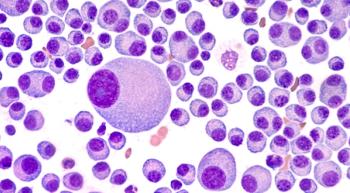
Pomalyst plus Velcade with dexamethasone improves survival outcomes for patients with relapsed/refractory multiple myeloma, according to a phase 3 trial.

After receiving pelvic radiotherapy, cancer survivors could live with low-grade chronic inflammation for up to 20 years post-treatment, according to an expert.

CURE shares photos from patients with cancer who posted their animals or pets that took the role of a support system during cancer.

When mentioning “breast cancer” in a story about my college experience is not allowed, I considered alternatives to the medical term that describes my situation best.

“Any family history of cancer could well be relevant” for individuals who may not realize they could be at risk for genetic cancer, according to an expert.

Higher health care costs may be related to the stages of melanoma, especially because of the increasing prices of treatments, according to an expert.

An expert sat down with CURE® and discussed how stem cells are collected before a patient with myeloma undergoes a stem cell transplant.

Patients with Lynch syndrome who partake in regular and aerobic exercise can reduce their chances of receiving a diagnosis of colorectal cancer.

Patients with lung cancer undergoing anatomic lung resections often had one day home return after completing the surgery, but those with a lower socioeconomic status were less likely to leave the hospital the day after surgery.

I knew virtually nothing about cancer until I became a caregiver for my aunt Carolyn, who died of colorectal cancer in 2000.