









HIF-2 alpha inhibitors are transforming therapy for patients with renal cell carcinoma and von Hippel-Lindau disease.
HIF-2 alpha inhibitors are transforming therapy for patients with renal cell carcinoma and von Hippel-Lindau disease.

Take a look at the top advancements and most popular articles about kidney cancer from the year 2022.

As part of CURE®’s four-part gastrointestinal cancers webinar series, a panel of experts recently answered questions and offered advice around different types of testing.

Now that I’ve met my insurance premium, I’m scheduling some year-end cancer appointments, and praying for good results.

Biliary duct cancer, or cholangiocarcinoma, has always been known as a difficult-to-treat disease, but immunotherapies may make an impact on patients' lives.

The indication for Pemfexy has been approved to include patients with metastatic, non-squamous, non-small cell lung cancer without EGFR or ALK genomic tumor mutations.

Adults with graft-versus-host disease who were treated with a three-drug regimen with cyclophosphamide after transplant may have improved survival rate compared with those treated with a two-drug regimen.

Watch Dr. Aaron Gerds and Dr. Andrew Kuykendall answer questions about myelofibrosis during the CURE Educated Patient MPN Summit.
The breast cancer community is made up of men and women who understand the importance of camaraderie. By showing each other love and support, no one ever feels alone.

Watch Dr. Andrew Kuykendall, from the Mofitt Cancer Center, discuss second-line treatments and beyond for patients with myelofibrosis during the CURE® Educated Patient® MPN Summit.

This is the only first-line trial to show benefit with immuno-oncology plus chemotherapy in patients with advanced or recurrent endometrial cancer.
Adstiladrin represents the first gene therapy approved by the FDA for the treatment of patients with high-risk non-muscle invasive bladder cancer who are resistant to BCG, the first-line standard of care for these patients.

Women with multiple ipsilateral breast cancer may have similar recurrence-free outcomes with a lumpectomy as one might encounter with a mastectomy, opening the door for more surgical treatment options for these patients.

In my cousin Barbara’s salon, a group of fellow Black women helped boost my confidence as I shaved my head after being diagnosed with cancer.

From Tina Turner’s son, Ronnie, dying of cancer to the Miami Dolphins honoring a group of people who raised over $5 million for oncology care and research, here is what’s happening in the cancer space this week.

Men with obesity before starting prostate cancer treatment may have an increased risk for death from heart disease or any cause rather than from prostate cancer itself, study results showed.

Watch to Dr. Naveen Pemmaraju, from The University of Texas MD Anderson Cancer Center, discuss frontline treatment options for patients with myelofibrosis during the CURE® Educated Patient® MPN Summit.

In honor of CURE®’s 20th anniversary, here is a roundup of some of the major advancements in the world of cancer care, according to experts, patients and advocates.

The treatment and support that children with cancer receive has advanced over the past 20 years, but more progress to improve the cure rate is on the horizon.

When I experienced a sarcoma recurrence in 2017, I was given less than a 10% chance to live for five years. Now that I’ve surpassed that statistic and celebrated my five-year wedding anniversary, I’ve proven to myself that I’m not defined by cancer statistics.

When Sean Korbitz was a 20-year-old college student, his life trajectory changed with a rare cancer diagnosis, resulting in the removal of 40 tumors; fifteen years later, a new drug made him feel like a “medical miracle.”

Patients with non-muscle invasive bladder cancer who smoke should consider quitting to possibly improve health outcomes in survivorship, according to an expert.

Watch Dr. Jamile Shammo and Dr. John Mascarenhas answer questions about polycythemia vera during the CURE Educated Patient MPN Summit.

From eye removal to radiation damage, patients with uveal melanoma may face complications after treatment, although continued and new therapies may address these issues, an expert said.
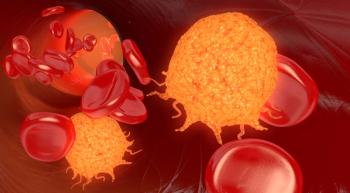
Progression-free survival and overall response rates greatly improved in patients with CLL/SLL treated with Brukinsa compared with Imbruvica.

I was told I had the “good” type of breast cancer, but does such a thing even exist? I think not.

Research efforts will improve the lives of patients with myelofibrosis, though those advancements may take years to come, an expert said.

Sexual dysfunction is not less common in women with bladder cancer who undergo reproductive organ-sparing radical cystectomy, although more research is needed.

Watch Dr. John Mascarenhas, from the Icahn School of Medicine at Mount Sinai, discuss future treatments for polycythemia vera, during the CURE Educated Patient MPN Summit.
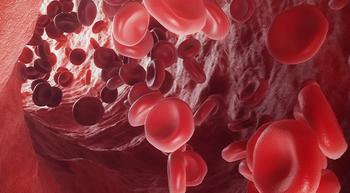
Patients with chronic lymphocytic leukemia tended to switch to another regimen or intensify their Calquence treatment quicker than those given Imbruvica, study results showed.