







Engineered cell technology is an example of ingenuity that brings together cutting-edge laboratory science and clinical trials to address aggressive cancers.
Engineered cell technology is an example of ingenuity that brings together cutting-edge laboratory science and clinical trials to address aggressive cancers.
Knowing the type, phase and eligibility criteria is key in reading cancer research.

Gleevec was approved by the FDA in 2001. The groundbreaking oral drug has since been a lifesaver for many patients with chronic myeloid leukemia.

Colin Powell has died of complications from COVID-19 after receiving treatment for a blood cancer.

October reminds us that men get breast cancer, too. A male breast cancer survivor shares his thoughts about Breast Cancer Awareness Month. “Controversy creates conversation, and conversation incites action,” he writes.
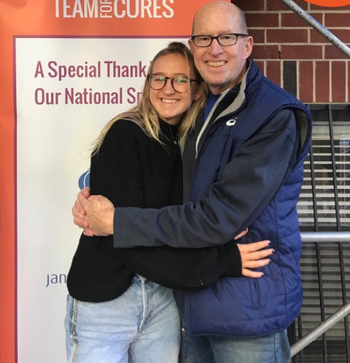
After receiving a diagnosis of multiple myeloma, a patient relied on the Multiple Myeloma Research Foundation for information and is becoming part of the conversation.

More selective BTK inhibitors like Brukinsa may give patients with mantle cell lymphoma who progressed on prior therapies another option with potentially fewer and more manageable side effects.

The first patient was enrolled and dosed in InflaRx’s phase 2 trial of vilobelimab for the treatment of cutaneous squamous cell carcinoma.

A woman who was the primary caregiver for her sister with cancer writes about how she regrets not utilizing social media to share updates throughout the treatment journey.

A patient with breast cancer details how her oncology nurse has helped her when experiencing side effects to the chemotherapy she’s receiving.

An ovarian cancer survivor explains how attending her 50th class reunion was an emotional experience as she learned of fellow classmates’ cancer experiences and struggles.
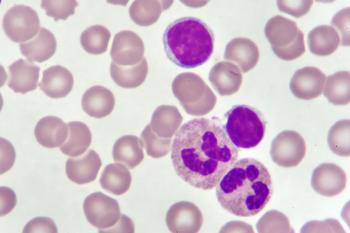
A fixed-duration treatment regimen may result in better outcomes and less time in the hospital for patients with CLL.

Maintenance therapy with PARP inhibitors may be a beneficial option for patients with ovarian cancer after the first line of treatment.

What do you do when cancer begins to drive a wedge between you and your partner? “I always feel it could cause the end of my relationship because I’m too much,” writes one survivor.

The Food and Drug Administration approved adjuvant Tecentriq for patients with PD-L1—positive, stage 2 to 3A non-small cell lung cancer.

From Berner’s cancer diagnosis to lipstick art for cancer fundraising, here’s what’s happening in the cancer landscape this week.

Data from a phase 3 trial show that frontline tremelimumab plus Imfinzi improved overall survival in patients with liver cancer.

The results, according to one of the study’s authors, indicate that liver cancer is an underrecognized and deadly cancer that is increasingly affecting people living in rural areas of the United States.

The PRESERVE 3 trial began this summer to determine efficacy of using Cosela with platinum-based chemotherapy in patients with metastatic bladder cancer.

Brain metastases are a pattern of spread we are seeing more for many tumor types as patients are living longer with metastatic cancer and we more readily use an array of brain imaging technologies when needed.

Three therapeutic breakthroughs are revolutionizing care for triple-negative breast cancer and saving women’s lives.

Sometimes cancer survivors do not realize how hard it is for other people to know what to say. We need to educate them!
“We tried very hard, my daughter and I, to have a daughter-father relationship, not a daughter-doctor relationship,” said Dr. Michael Weiner on this episode of the “CURE® Talks Cancer” podcast, in which he discussed his career, his own cancer journey and his daughter’s diagnosis.

Detectable amounts of minimal residual disease after treatment for CLL does not mean that all hope is lost for survival without disease progression.

Meet Jazmine Sullivan: singer-songwriter, BET award winner and breast cancer advocate.

Some breast cancer therapies and surgeries cause a reduction in estrogen levels, forcing many women immediately into menopause.

I am in awe of what scientists have been able to discover, but we don’t know enough for those 119 women who will die this Metastatic Breast Cancer Awareness Day, nor for the 43,881 others who will die before the next Breast Cancer Awareness Month rolls around. We deserve more.
The FDA approved Keytruda for use with chemotherapy with or without bevacizumab, for the treatment of a subset of patients with cervical cancer.
Verzenio marks the first CDK4/6 inhibitor approved by the FDA for the treatment of patients with hormone receptor-positive, HER2-negative early breast cancer.

Patients with blood cancers may respond differently to doses of the COVID-19 vaccines based on the treatment they’re receiving, for example.