







A cancer survivor writes about the traumatizing experience of undergoing mastectomy, dealing with her partner’s hurtful comments about her body and how she was able to rebuild her dignity.
A cancer survivor writes about the traumatizing experience of undergoing mastectomy, dealing with her partner’s hurtful comments about her body and how she was able to rebuild her dignity.
The new approach of chemotherapy plus Opdivo offers “the best of both treatment approaches,” says one expert.

While the recent FDA approval of Jakafi offers another effective option for patients with chronic GVHD, one expert urges that more work needs to be done to prevent and/or reverse the condition.

The FDA has approved Braftovi plus Erbitux for pretreated patients with BRAF V600E-mutant metastatic colorectal cancer.

A retired oncology social worker shares some helpful tips for being a supportive caregiver while also maintaining your own well-being. “Caregiving is compassion in action,” he writes.
Here’s what patients should know about the recent FDA approval of Exkivity, the first oral therapy for patients with non-small cell lung cancer who have EFGR exon 20 insertion mutations.

How does COVID-19 vaccine hesitancy relate to fear of mammograms for breast cancer? A cancer survivor explains the connection.

Cannabis is becoming more widely used than ever in patients with cancer, though it is important to find reliable information, says an expert from the American Cannabis Nurses Association.

Certain races/ethnicities and ages may have worse outcomes in Hodgkin lymphoma regardless of variation in upfront chemotherapy.
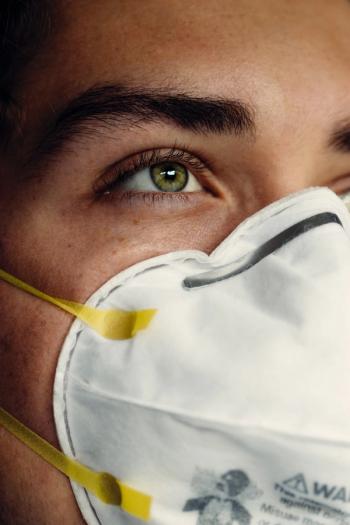
An expert explains virus mutations, the Delta variant of COVID-19 and which masks offer the best protection for patients with cancer.

Chemotherapy-related fatigue is a real and often debilitating side effect from cancer treatment.

A woman explains how her Lynch syndrome diagnosis altered the way she lives her life, and shares advice for others on how to shift their priorities while maintaining positivity and hope.

The combination is the first in advanced or metastatic breast cancer to have a survival benefit extending over five years.

Geographic disparities at the state-level are leading to increased rates of death from lung cancer, according to an expert.
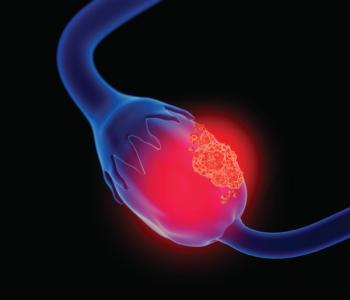
Learn more about the symptoms, risk factors and treatment options for ovarian cancer.

A cancer nurse focuses on alleviating or reducing the anxiety patients often feel when undergoing cancer treatment.

It is important that the whole community understand that basic research and clinical trials can continue to improve outcomes for patients with genitourinary cancer.

A woman writes a poem to thank the doctors and nurses who treated her ovarian cancer and changed her life.

One patient describes her nurse navigator as one she could turn to at a time when she was receiving cancer treatment away from home.
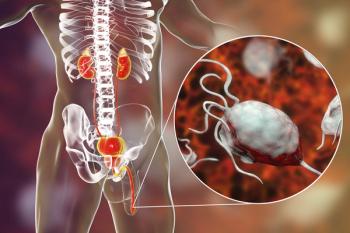
In this special issue of CURE®, we spoke with patients and health care providers about fertility issues, treatment advancements and other topics related to kidney, prostate, testicular and bladder cancers.

The first patient was treated in the phase 2b KICKSTART trial testing the safety and efficacy of tomivosertib in combination with Keytruda.
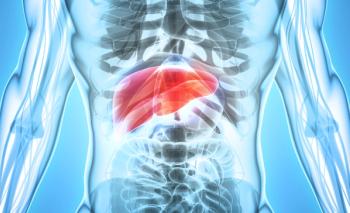
Results from the study highlight the need to organize better screening and treatment plans for patients with liver cancer coinfected with hepatitis B, hepatitis C or HIV.

A cancer survivor explains how mental stress related to cancer and the COVID-19 pandemic has impacted his nutritional habits.

It is vital to find support when your child has cancer. In this two-part episode of the “CURE® Talks Cancer” podcast, a family shares how they were able to remain strong as their 9-year-old was treated for neuroendocrine cancer.

From “Sex and the City” star and “real-life Tarzan” dying to a man planning to swim the English Channel to raise cancer funds, here is what is happening in the cancer space this week.
The antibody drug conjugate could provide patients with symptomatic relief, along with manageable side effects.
The prescription of systemic cancer therapies varies based on a patient’s age, comorbidities, cancer stage and other variables, according to recent research.

Children younger than five years old may have an increased risk for hearing loss from cisplatin-based therapies compared with older children, highlighting the potential need for more consistent monitoring for hearing loss in children with cancer.

A cancer survivor shares six helpful tips for getting through the difficulties of cancer treatment.
Where do you turn when your child is diagnosed with a rare cancer? In this two-part episode of the “CURE® Talks Cancer” podcast, a family shares the harrowing experience of learning their nine-year-old had neuroendocrine cancer.