






How to survive your own breast cancer survival surprise party.
How to survive your own breast cancer survival surprise party.

The disease is both physically and emotionally taxing. Now, a new study finds that more than 1 in 5 people diagnosed with cancer suffer from PTSD. Some even experience symptoms years later.
The holidays can be wonderful and tough at the same time. Your approach to them is what makes all the difference.
November is the month of gratitude. Something I take as a gift from cancer is trying to stay connected with my ability to have gratitude and to connect with kindness.
Singing during or after cancer treatment may be very beneficial.
I know I’ll never be Thor, but I do know the best way to ingest fungus.
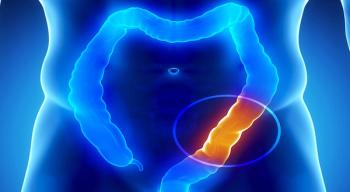
“The very exciting field of checkpoint inhibitors is still evolving, and we are trying to understand where they fit in the world of CRC therapy,” said McCollum, a hematologist and medical oncologist at Texas Oncology.
Everybody copes differently with cancer, even within a family unit.

The combination delated progression or death compared to Avastin and chemotherapy alone, according to Roche, the manufacturer of the anti–PD-L1 and anti–VEGF agents.
Silicone doesn't last forever. After a few years of constant wear, a prosthesis breaks down and is no longer functional. Some women become very attached to their replacement breasts and find it difficult to say goodbye. This is one survivor's light hearted look at what to do with worn out breast forms.
Not for the faint of heart, cancer challenges every aspect of our lives.
When consulting with her team privately, I did my best to maintain my composure. It was not lost on me that we were in that room because my older sister had cancer. And often, we were more specifically in that room because she was not responding to treatments.
Practicing gratitude is an art. But how do we learn to give thanks for the difficult things, like breast cancer? One survivor shares her experience.
During all of my surgeries, I have been asked to rate my pain on a scale of 1 to 10. I’ve never gone beyond 8 on that scale because I really have no comprehension of what it should feel like.
Patients with cancer can help their caregivers find paths through the pain, with all the techniques we use to find our own peace.
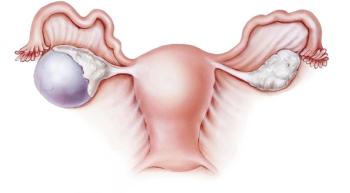
Checkpoint inhibitors in combination with PARP inhibitors are garnering interest, with the impact of PARP inhibitors already well established in this tumor type.
Cancer survivor shares her fitness learning experience.

Getting a second opinion after a cancer diagnosis is considered a routine, essential and necessary component of one’s health care plan, but many people are reluctant to seek one.
I had my own complete life external to cancer. I also had my life within the constant reality of cancer.

Can a certain diet improve cancer outcomes?
In the midst of all of the things that tie us together, it’s been what many would consider the most challenging shared experience a mother and son can have – facing and surviving cancer – that has been a defining feature of our relationship and ultimately one of the most overwhelming blessings of life.

Overall, about a fourth of people have taken measures to decrease the cost of their or their loved one’s treatment — even if that means a negative impact on its effectiveness.
Barb shares coping techniques to get through winter and the holidays.

Have you ever been criticized for cancer-related accommodations because you look better than you feel?
Explaining breast cancer to a young child can be difficult. Often, they have questions we would never imagine. This cancer survivor shares her story in hopes that more conversations with children will ensue.

Physicians at Penn Medicine’s Abramson Cancer Center in Philadelphia are ready to launch their new treatment program designed to help patients with cancer to quit smoking. The program is intended to provide patients with “state-of-the-science” tobacco use treatment, while also assisting patients with their medical treatment and recovery.
Immunotherapies are largely unavailable to patients with brain cancer, but many of these approaches are being studied both in labs and in clinical trials, and there is hope that they will eventually play a role in the treatment of gliomas.

Quality-of-life care has benefits from the outset for these patients, but because some might confuse it with end-of-life support, neuro-oncologists may be hesitant about introducing it.
A wry look at a "day in the life" of a (grumpy) cancer survivor. Come on! You all know you've been there!

Parents of children with cancer often put their own needs or feelings aside while caring for their child, but taking good care of yourself can actually help you be a better caregiver.